
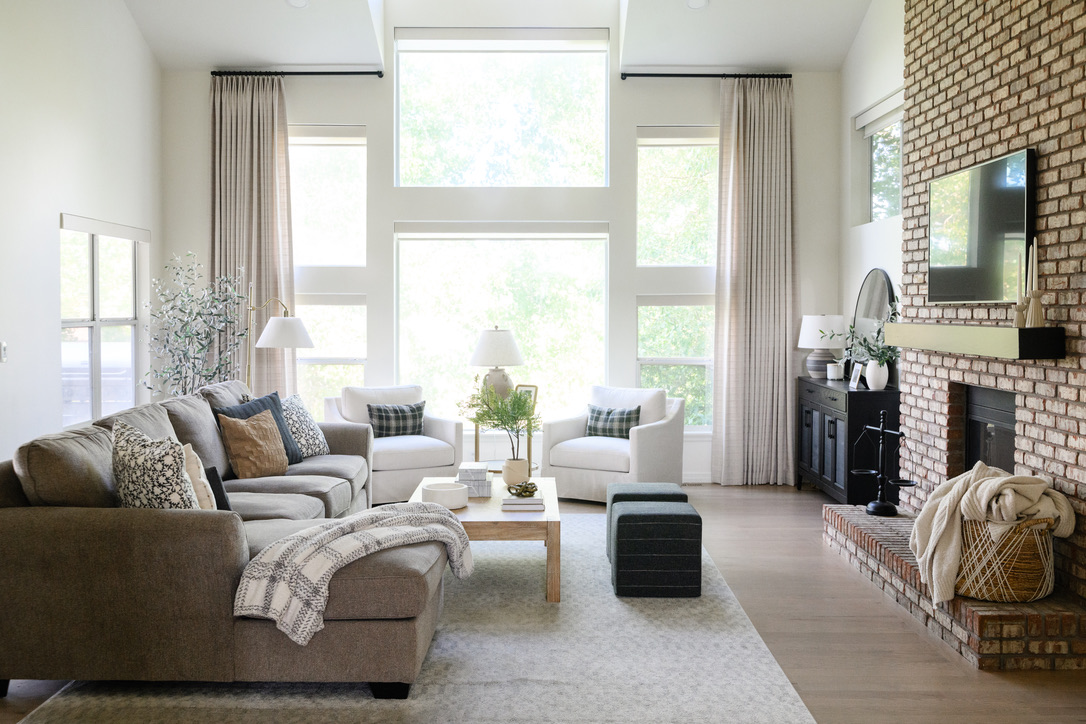
Beautiful furniture is easy to find. Finding the right furniture for your home? That’s where things get a little trickier.
There are approximately one million places to shop for furniture these days. Okay, maybe not a million, but between online retailers, big-box stores, vintage shops, and custom furniture makers, the options can feel endless.
And while having options is a good thing, it can also make furnishing your home completely overwhelming.
As Interior Designers, we spend a LOT of time sourcing furniture. For our clients, that often means custom pieces, trade-only vendors, and furniture made specifically for their spaces. But you absolutely do not need access to those resources to create a beautiful, interesting, and well-furnished home.
You just need to know what to look for, where to shop, and how to put it all together.
Read on for a few of our favorite furniture shopping tips.
Stop buying everything from the same store
If we could give you just one piece of furniture shopping advice, it would be this: Please don’t buy the entire matching furniture set.
We know it’s tempting. Everything coordinates, the showroom looks beautiful, and someone has already done the work of putting it together.
But here’s the thing: your home should look like YOUR home, not a furniture showroom.
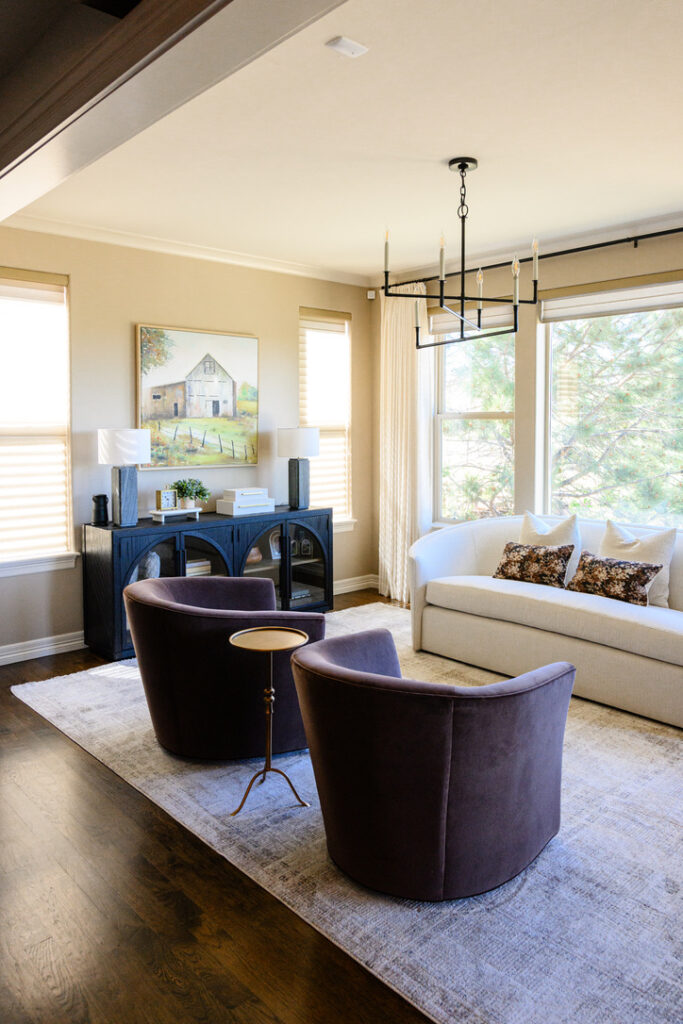
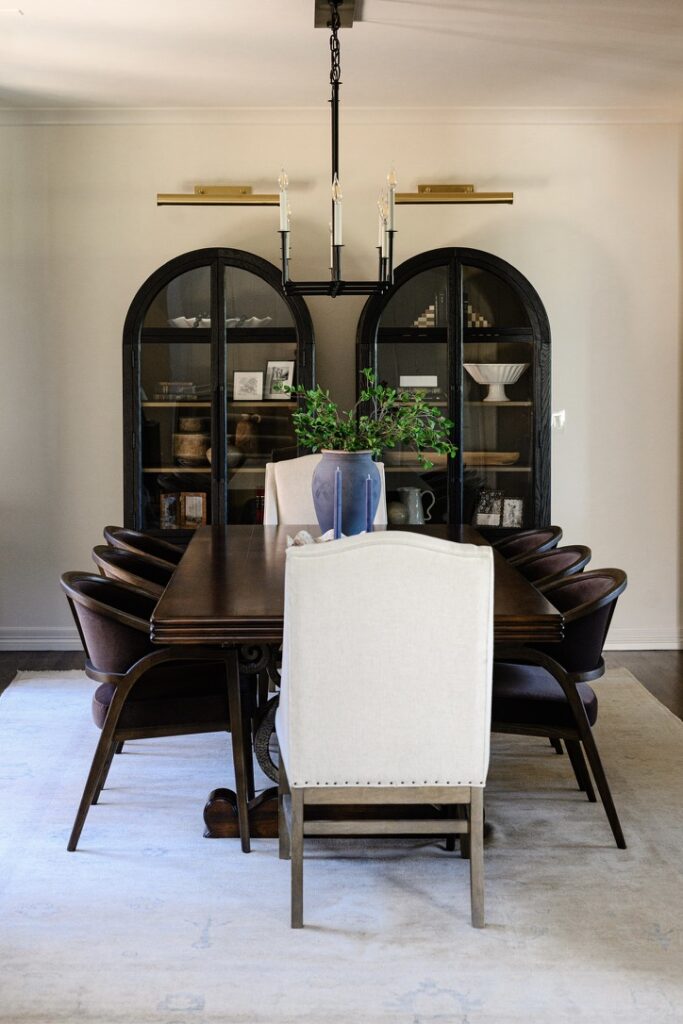
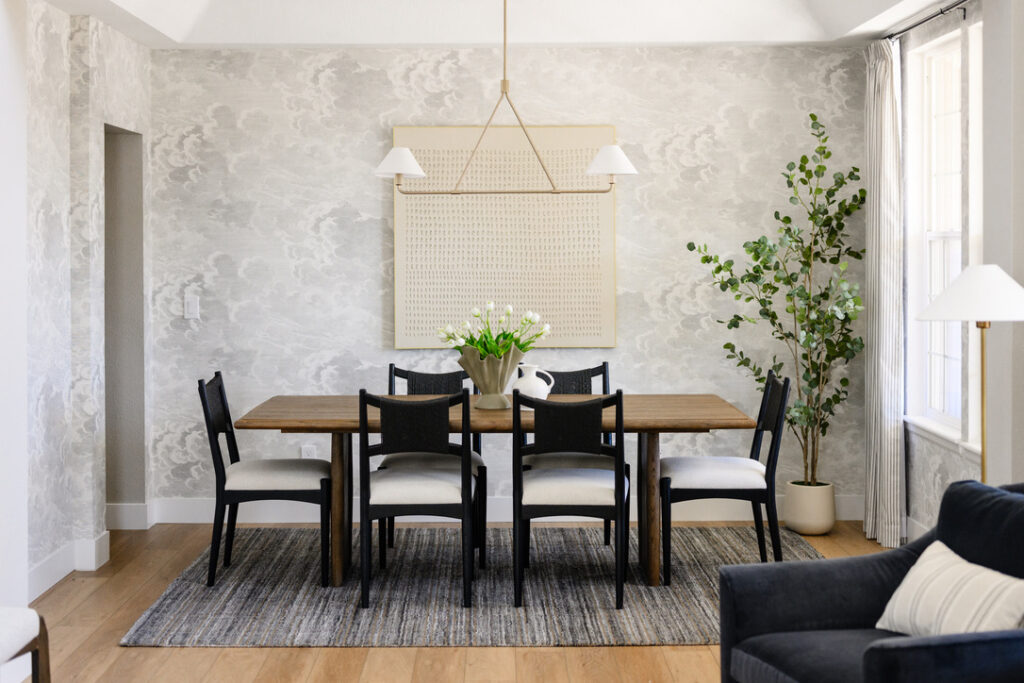
Some of the most interesting rooms have a mix of furniture styles, materials, finishes, and even eras. A modern sofa with a vintage coffee table. A traditional dining table with contemporary chairs. A beautiful upholstered bed paired with mismatched antique nightstands.
The magic is in the mix.
And no, that doesn’t mean everything has to be wildly different. You still want a cohesive design. But cohesive and matching are two very different things.
Measure twice. Then measure again.
We cannot stress this enough.
Furniture that looks perfectly proportioned on a website can feel completely different once it arrives in your living room.
Before you purchase anything, measure your space and create a basic furniture layout. Pay attention to the overall dimensions of the room, the placement of windows and doors, and how people will move through the space.
A few things we always consider:
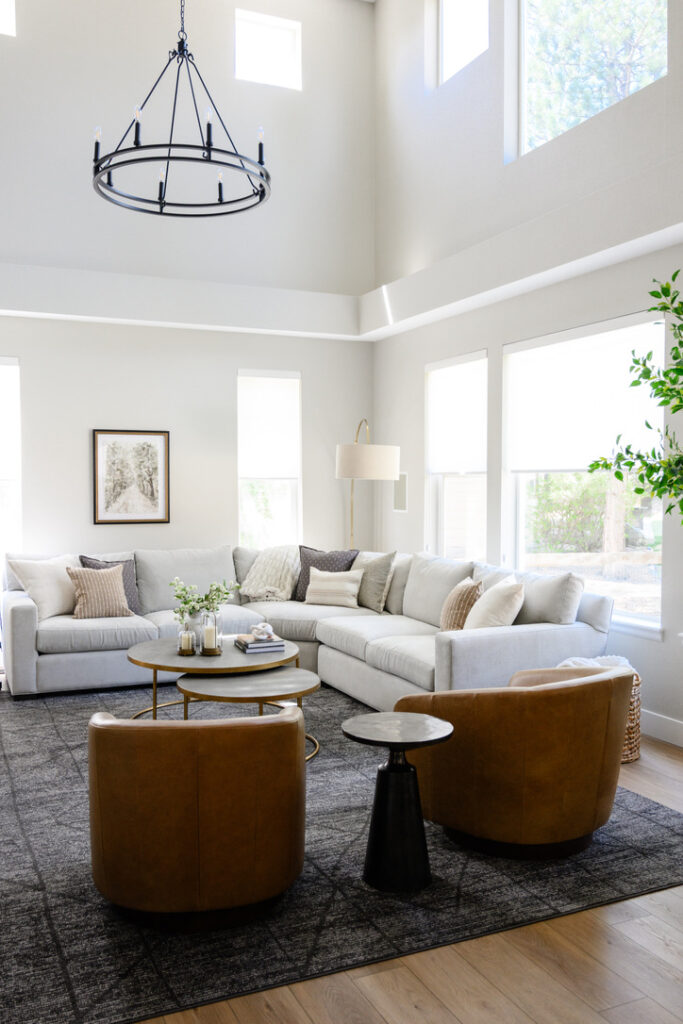
- Scale: Is the furniture appropriately sized for the room? A tiny sofa in a large living room can feel just as awkward as an oversized sectional in a small one.
- Traffic flow: Can people comfortably walk around the furniture without squeezing through tight spaces?
- Seat depth and height: Especially important for sofas and chairs. A deep, lounge-style sofa might be wonderful for movie nights but less ideal for a formal sitting room.
- Delivery access: Will that gorgeous sofa actually fit through your doorway, stairwell, or hallway?
And here’s a little designer trick: use painter’s tape to mark furniture dimensions on your floor before ordering. It’s not glamorous, but it works.
Know where to spend and where to save
Not every piece of furniture needs to be an investment piece.
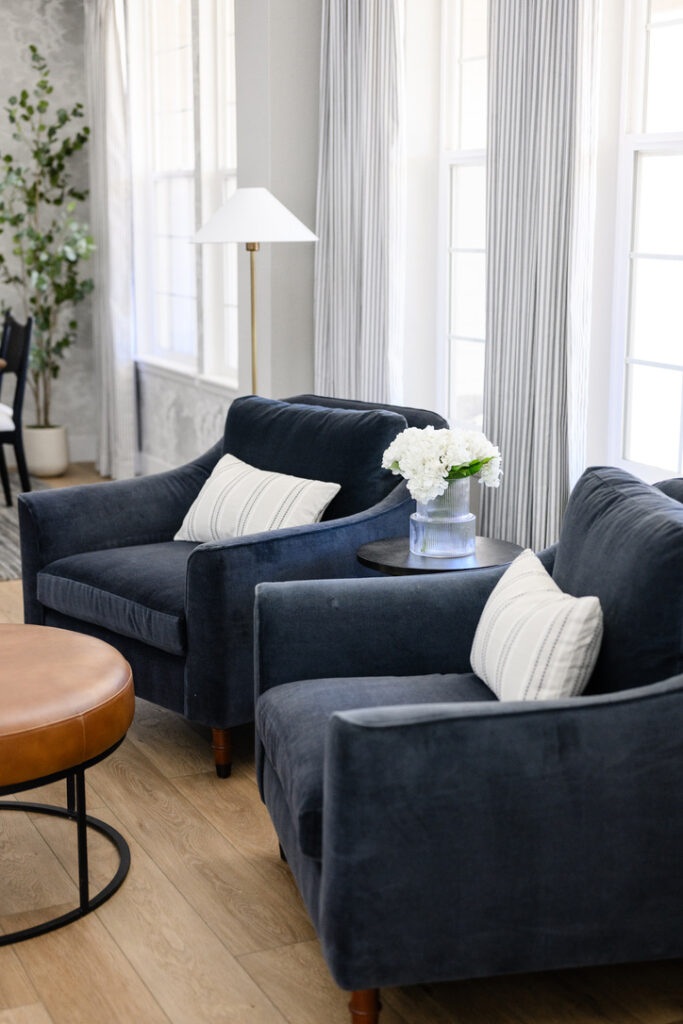
We generally recommend prioritizing quality for furniture you use every single day, especially sofas, dining chairs, your bed, and other hardworking pieces.
These are the items where construction, comfort, and durability really matter.
For pieces that are more decorative or get less use, you can often be a little more flexible with your budget.
A great vintage side table might cost a fraction of a brand-new designer piece and bring twice the personality.
Our philosophy? Spend on the pieces that need to perform. Have fun with the pieces that get to be interesting.
Pay attention to materials and construction
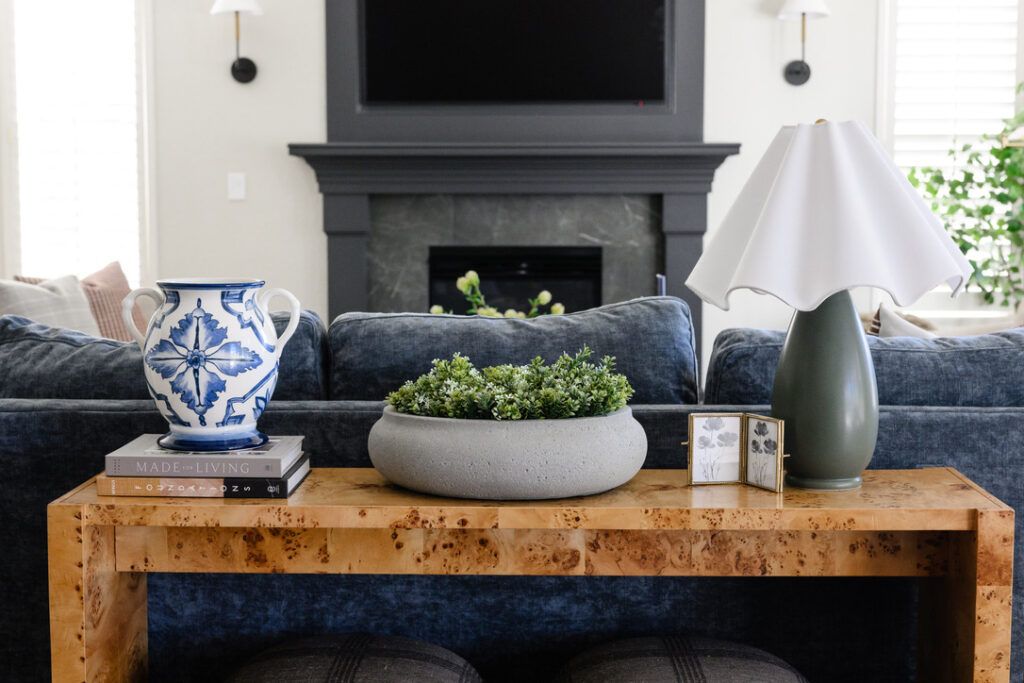
Two sofas can look nearly identical online and have wildly different price tags. Sometimes you’re paying for a brand name, but often there are meaningful differences in what’s underneath the upholstery.
When shopping for furniture, look beyond the pretty pictures.
For upholstered pieces, investigate the frame construction, cushion materials, fabric durability, and warranty.
For wood furniture, understand whether you’re purchasing solid wood, wood veneer, or a manufactured wood product.
And don’t automatically assume that one material is always better than another. A well-made veneer piece can be an excellent choice, just as a poorly constructed solid wood piece can be a disappointment.
The goal is to understand what you’re buying and whether it makes sense for how you’ll use it.
Bonus tip: Always order fabric samples when possible. Colors can look dramatically different on a screen, and texture is nearly impossible to judge from a photograph.
Don’t forget about the rug
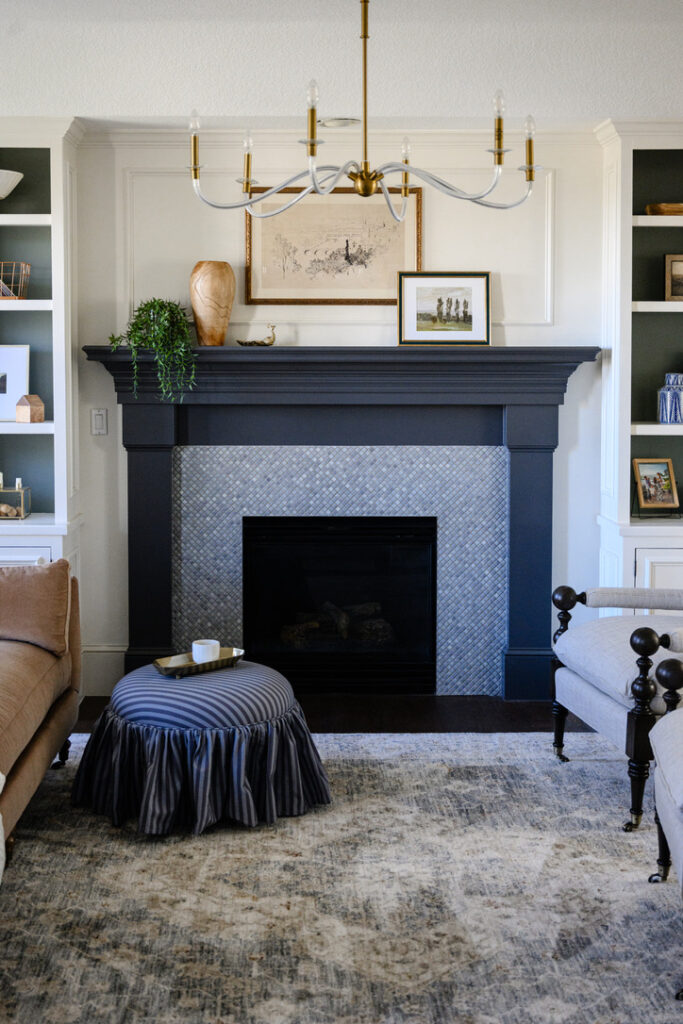
One of the most common furniture mistakes we see isn’t actually the furniture. It’s the rug underneath it.
A rug that’s too small can make an otherwise beautiful room feel disconnected.
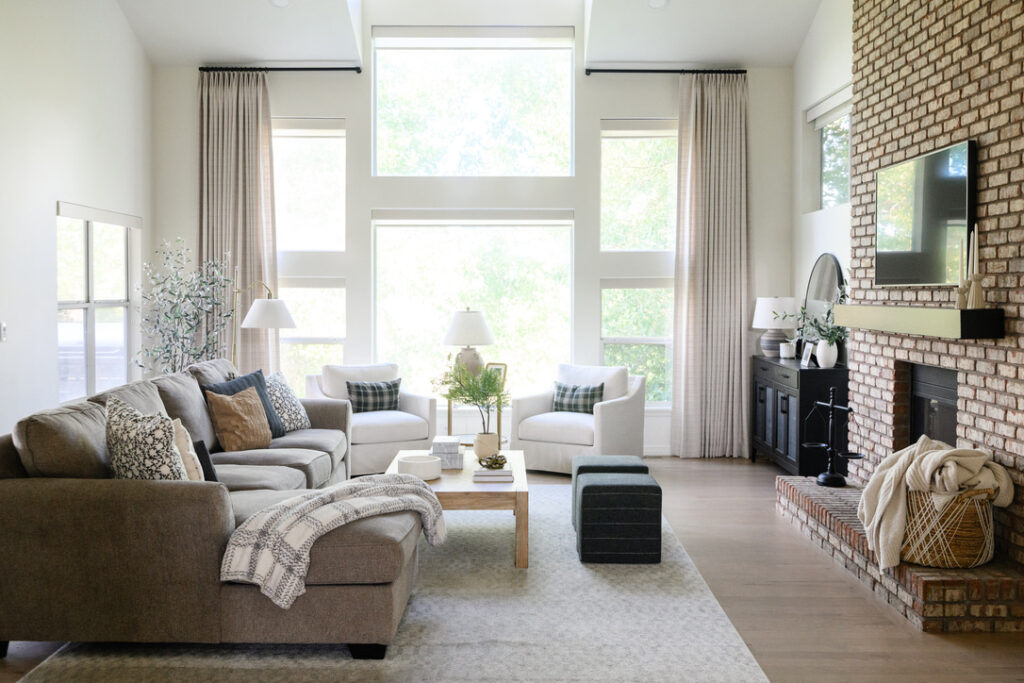
In living rooms, we typically like at least the front legs of the primary seating pieces to sit on the rug. In larger spaces, having all the furniture legs on the rug can work beautifully.
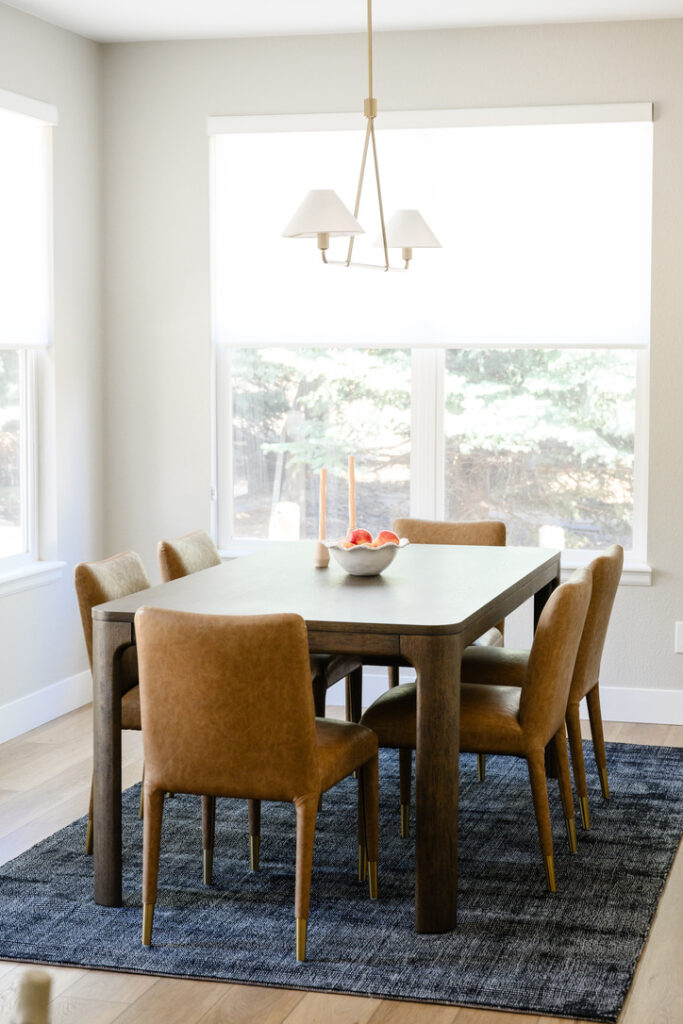
For dining rooms, make sure the rug extends far enough beyond the table that chairs remain on it when pulled out. We generally aim for approximately 24–30 inches beyond the table on each side.
And please, don’t choose a rug based solely on its pattern. Consider the material, durability, pile height, and how the room will actually be used.
A gorgeous high-pile rug under a dining table full of children and spaghetti? Maybe not our first choice.
Mix new furniture with vintage and collected pieces
This might be our favorite tip.
One of the easiest ways to make your home feel more personal is to incorporate pieces that weren’t purchased yesterday.
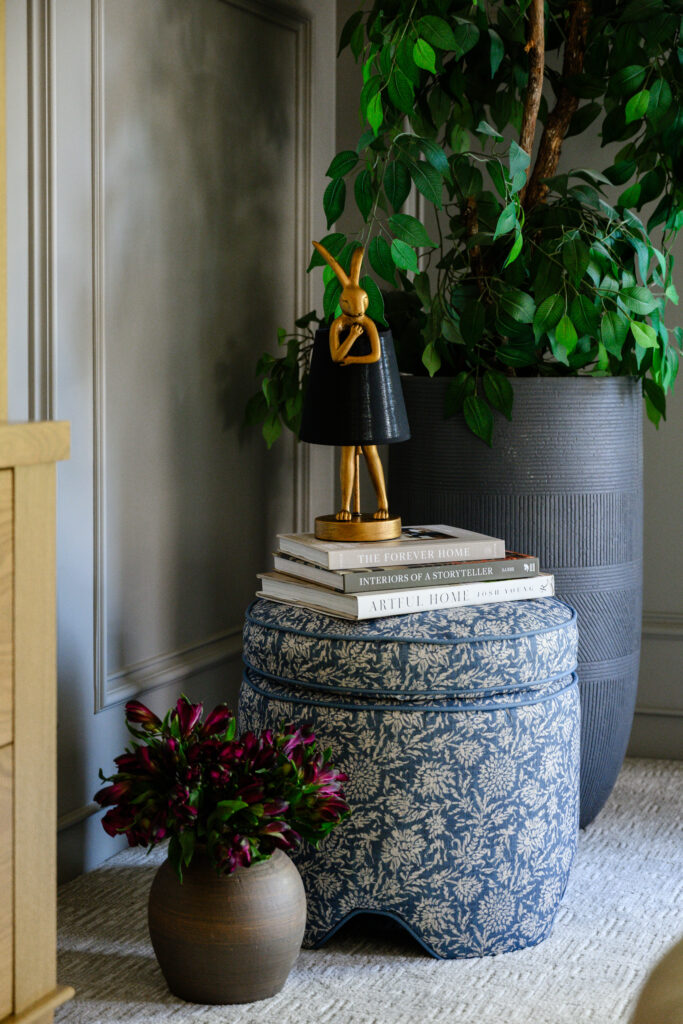
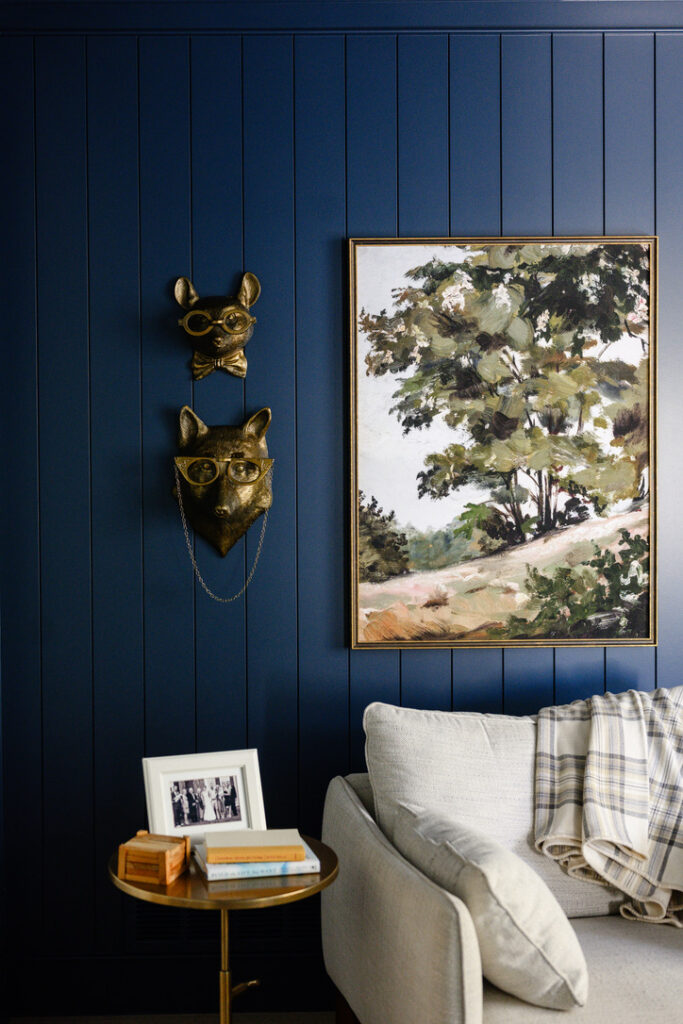
Vintage furniture, antiques, family heirlooms, and secondhand finds bring a sense of history and individuality that can be difficult to replicate with brand-new furniture.
And you don’t need to fill your house with antiques to make this work.
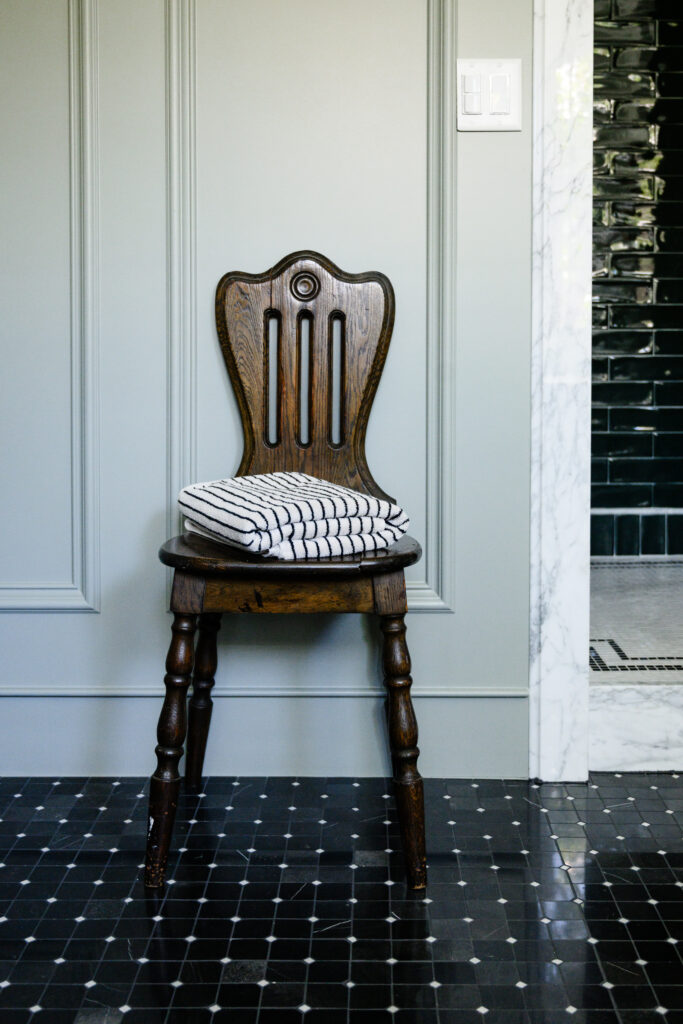
A single vintage chest, an interesting old chair, or a beautifully worn wooden table can add so much character to a room.
We love pairing these pieces with contemporary furniture because the contrast makes both feel more interesting.
Remember, timeless design isn’t about choosing furniture that never goes out of style. It’s about creating a home that’s personal enough that you won’t want to replace everything when the next trend comes along.
Think about how you actually live
We love beautiful furniture. Obviously. But we also believe a beautiful home should be a home you actually enjoy living in.
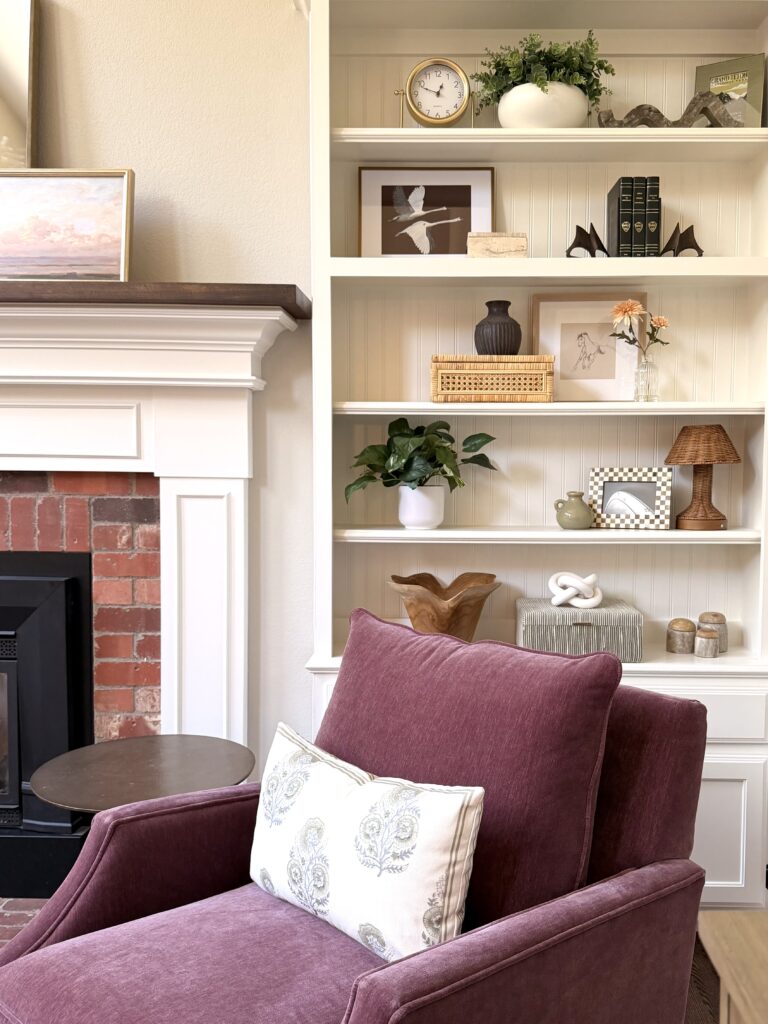
Before buying furniture, ask yourself a few questions: Do you have kids who eat snacks on the sofa? Pets who believe every upholstered surface belongs to them? Do you love hosting dinner parties? Is your living room where everyone gathers for movie nights?
These things matter.
The best furniture choices aren’t necessarily the most expensive or the most beautiful in a photograph. They’re the pieces that work for your life.
Because beautiful and livable aren’t opposites. You really can have both.
Our favorite furniture stores you might not know about
If your furniture shopping starts and ends at Pottery Barn and Crate & Barrel, we have a few more places we think you should know about. While we source plenty of custom and trade-only furniture for our design clients, there are some fantastic brands that anyone can shop.
Here are five of our favorites.
1. Lulu and Georgia
Best for: Statement furniture, accent chairs, and interesting silhouettes
Lulu and Georgia is one of our favorite places to look for furniture with a little personality. Their collection includes beautiful accent chairs, sculptural tables, and pieces that feel elevated without being overly formal.
We especially love their designer collaborations and their ability to mix traditional influences with more contemporary shapes.
2. Joon Loloi
Best for: Color, pattern, and distinctive upholstery
Joon Loloi is a great resource if you’re looking for furniture that doesn’t feel cookie-cutter.
Think beautiful patterns, interesting fabrics, and upholstery with a little more personality than your average neutral sofa.
If you love a collected, layered look, this is definitely one to explore.
3. Anthropologie
Best for: Playful accent furniture, unique cabinets, and charming details
Yes, Anthropologie sells a lot more than clothing.
Their furniture collection is full of interesting accent chairs, beautifully detailed cabinets, and pieces with a slightly whimsical personality.
We especially love shopping here for those unexpected pieces that can make an entire room feel more interesting.
4. House of Léon
Best for: Sculptural furniture, beautiful wood finishes, and European-inspired design
House of Léon is one of those brands that feels like a little insider secret.
Their furniture has beautiful architectural shapes, rich wood finishes, and an old-world influence that feels both sophisticated and relaxed.
It’s a wonderful resource for dining chairs, tables, and statement pieces that look like something you discovered in a fabulous boutique while traveling.
5. Interior Define
Best for: Customizable sofas, sectionals, and upholstered furniture
If you’re looking for a sofa or sectional, Interior Define is worth exploring.
One of the biggest advantages is the ability to customize many of their pieces, from upholstery fabrics to dimensions, configurations, and cushion options.
This is especially helpful when you need furniture that works for the specific dimensions and needs of your space.
The secret to a beautifully furnished home
At the end of the day, great furniture shopping isn’t about finding the most expensive pieces or buying everything from the trendiest retailer. It’s about choosing things you genuinely love, paying attention to scale and quality, and creating a thoughtful mix of pieces that reflect the people who live in your home.
Buy the interesting chair. Mix the old table with the new sofa. Choose the fabric you absolutely love.
And don’t be afraid to let your home evolve over time. Because the best homes aren’t the ones that look like they came straight out of a catalog. They’re the ones that feel like you.


