
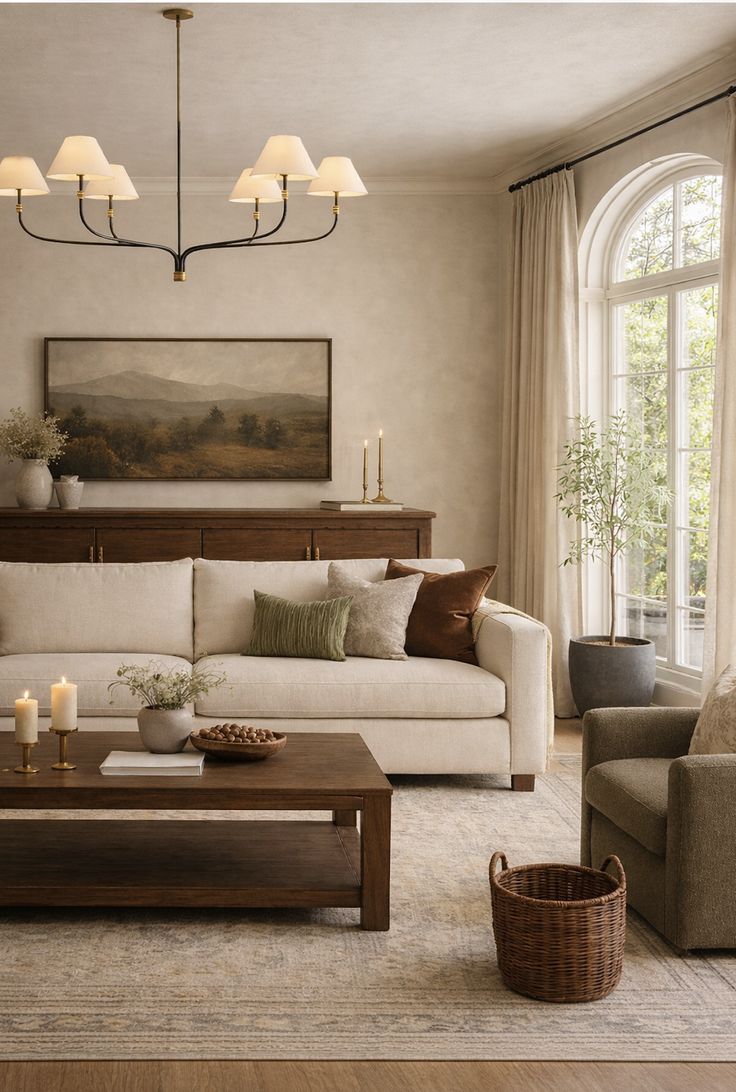
Warm neutrals have a quiet kind of magic. They don’t shout. They don’t chase trends. They don’t demand attention. They simply work. Creating spaces that feel grounded, inviting, and effortlessly lived-in. Elevated.
A warm neutral home is the kind of space that makes you want to kick your shoes off the second you walk in. It feels calm without being sterile, elevated without being cold, and layered without feeling cluttered. And while it might look “simple” at first glance, the truth is: the best neutral interiors are anything but basic.
The secret? Texture, materiality, and thoughtful layering.
Warm Neutrals: Not Just White Paint Everywhere
Let’s get one thing straight: warm neutral design isn’t just slapping white paint on every wall and calling it a day. A well-designed neutral home has dimension. It’s built on tones that feel soft and natural: creamy whites, sandy beiges, muted taupes, gentle clay undertones, and even hints of warm gray.
These shades create a palette that feels cohesive, but still alive.
The goal is warmth. Ease. A space that feels like a deep breath. And when you get the undertones right, everything in the home starts to feel intentional, even the quietest corners.
Layered Materials Make Neutrals Feel Rich
When you aren’t relying on bold color, materials do the heavy lifting.
Layering is what turns a neutral home from “nice” into “designed.” It creates depth and interest without needing dramatic contrast. Think of it like putting together an outfit in all neutrals: linen, leather, wool, and denim might all be in the same color family, but the textures make it feel dynamic.
In interiors, the same rule applies.
Some of the best materials to layer in a warm neutral home include:
- Plaster or limewash-style finishes for soft, imperfect texture
- Natural wood tones (oak, walnut, white oak) for warmth and grounding
- Honed or leathered stone for a timeless, organic feel
- Woven textiles like linen, cotton, jute, and wool
- Matte finishes paired with subtle moments of sheen
The beauty of warm neutrals is that they allow you to notice the details: the grain, the weave, the natural variation that makes a home feel collected rather than manufactured.
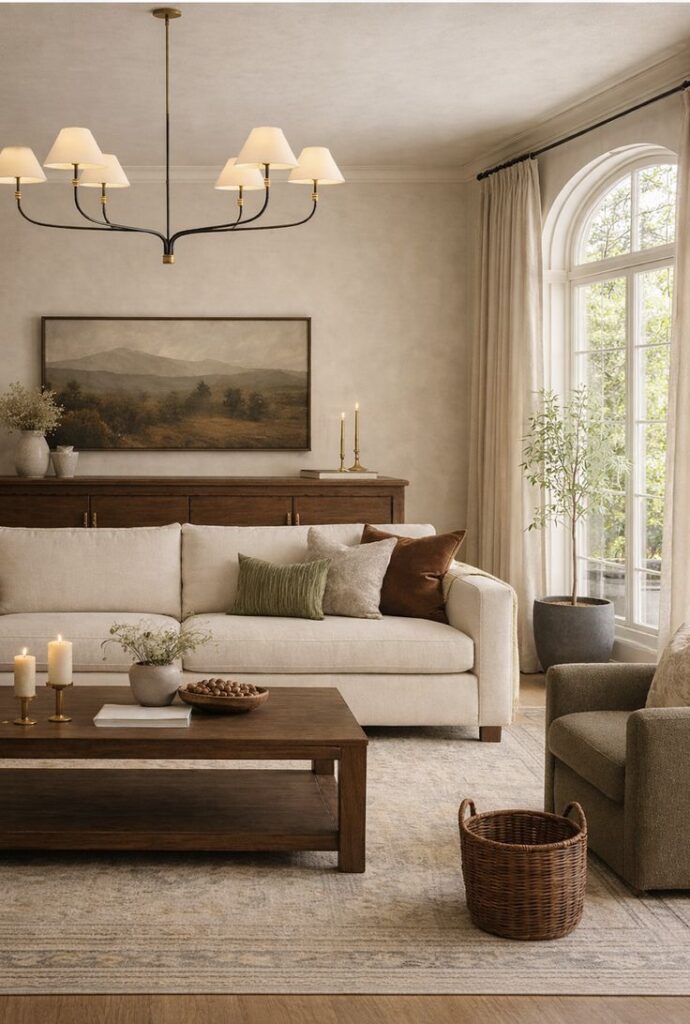
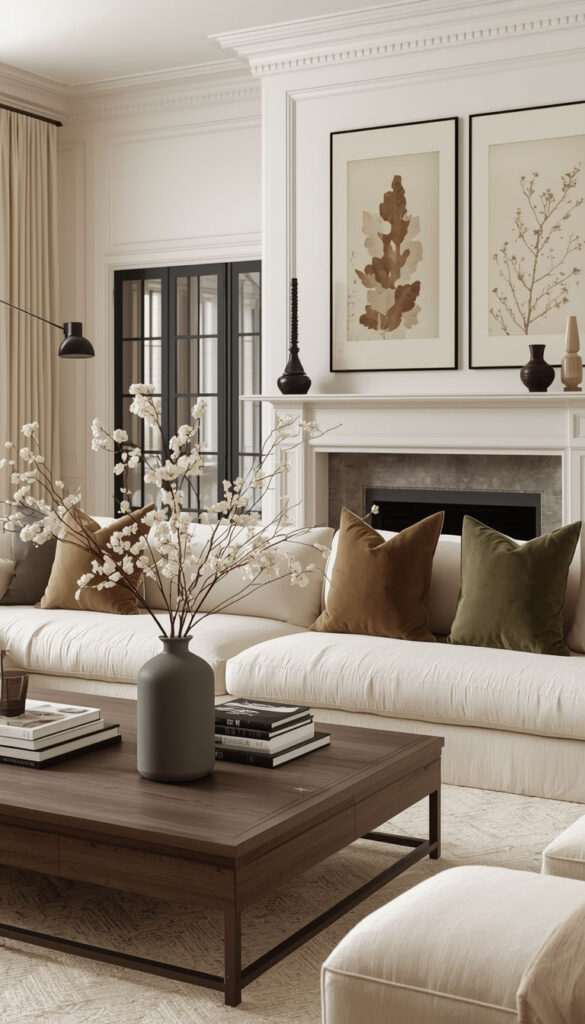
Photo credit from left to right: British Furniture Shop and Moonstone Designs.
Texture is the Real Statement Piece
In a warm neutral space, texture is everything.
If you’ve ever walked into a neutral home and thought it felt “flat,” chances are it was missing texture. Without it, everything blends together and starts to feel a little showroom-y.
Texture adds movement. It gives your eye something to land on. It makes a space feel cozy, layered, and real.
Some of our favorite texture pairings:
- Smooth cabinetry + textured plaster walls
- Crisp linen drapery + boucle upholstery
- Natural woven rugs + stone coffee tables
- Soft bedding + structured headboards
- Matte paint + warm metallic accents
And the best part? Texture makes a space feel elevated without needing a single loud element.
A Warm Neutral Palette Needs Contrast (Just Not the Loud Kind)
A neutral home still needs contrast. It just shows up differently.
Instead of bright colors, contrast comes from tonal shifts: light vs. medium vs. deep. It’s the subtle difference between ivory and oatmeal, between warm beige and clay, between blonde oak and deeper espresso wood.
A few easy ways to bring in quiet contrast:
- Incorporate darker wood tones in furniture or beams
- Add blackened bronze or aged brass hardware
- Use stone with natural veining or variation
- Mix warm whites with taupe and sand tones
- Introduce deep accent colors sparingly (like espresso, charcoal, or terracotta)
This kind of contrast keeps things from feeling washed out while still maintaining that soft, calm mood.
Lighting: The Unsung Hero of Warm Neutrals
If you want warm neutrals to actually feel warm, lighting matters a lot.
Warm neutrals are sensitive. The wrong bulb temperature can instantly turn creamy walls into something icy and uninviting. And harsh overhead lighting? It’s the fastest way to ruin the vibe.
A warm neutral home thrives on layered lighting:
- Ambient lighting (soft overhead fixtures or recessed lighting)
- Task lighting (lamps, under-cabinet lighting, reading lights)
- Accent lighting (sconces, picture lights, small uplights)
And always, always choose warm bulbs. Think glow, not glare. Good lighting makes a neutral home feel cozy at night and dimensional during the day—highlighting textures and creating the kind of softness that makes a space feel lived-in.
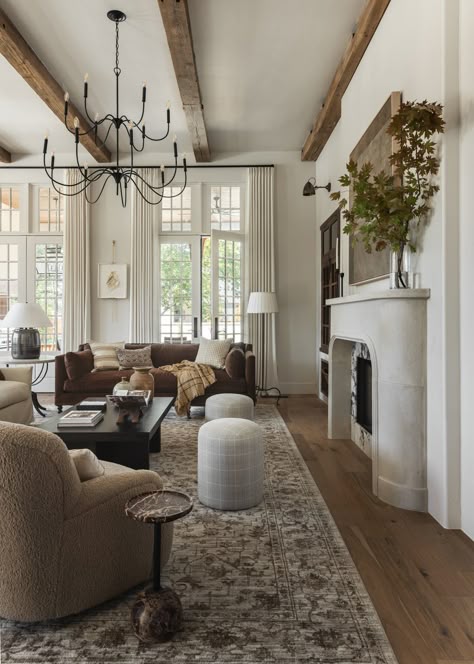
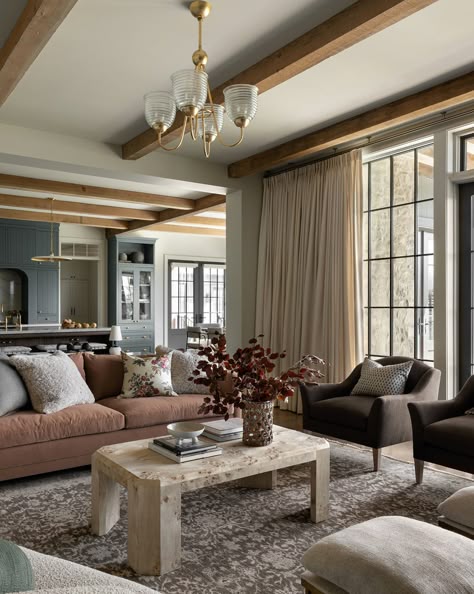
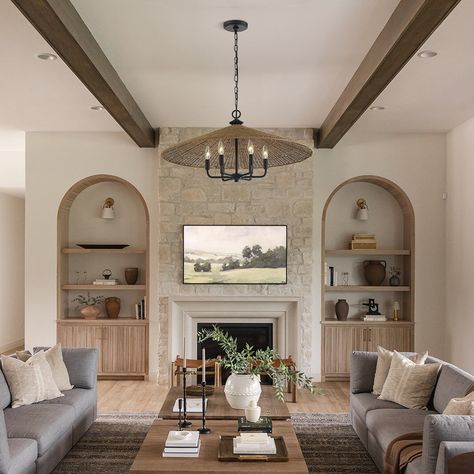
Photo credit from left to right: Heritage House, McGee & Co, Lucia Living.
Soft + Structured = The Sweet Spot
One of the most beautiful things about warm neutral design is the balance it creates between softness and structure.
A neutral home can still feel architectural and tailored, but it shouldn’t feel stiff. The key is pairing clean lines with organic elements.
Think:
- Structured cabinetry softened with wood grain
- Clean-lined furniture paired with plush textiles
- Sculptural lighting against minimal walls
- Smooth stone surfaces alongside woven rugs
- Crisp silhouettes balanced with warm, rounded forms
This is where the magic happens…when a space feels designed, but not overly designed.
Mixing Finishes for That “Collected” Look
A warm neutral home should feel curated, not cookie-cutter.
That’s why mixing finishes is so important. When everything matches too perfectly, the space can start to feel like it came straight out of a catalog. A layered neutral home feels more authentic when you blend materials that have different ages, textures, and tones.
A few favorite combinations:
- Warm woods + honed stone
- Aged brass + matte black accents
- Linen upholstery + leather details
- Handmade ceramics + clean modern furniture
- Vintage pieces mixed with contemporary silhouettes
The goal is harmony, not uniformity.
Neutrals That Feel Personal
Warm neutral interiors work best when they aren’t trying to be “perfect.”
The most inviting neutral homes have personality. They include pieces that feel meaningful: art that tells a story, objects collected over time, furniture that feels like it belongs to the people living there.
A few ways to make a neutral home feel personal:
- Incorporate vintage or antique pieces
- Layer in artwork with warmth and texture
- Use handmade pottery or sculptural decor
- Add books, textiles, and objects that feel lived-in
- Don’t be afraid of imperfect materials
Warm neutrals are a backdrop, not the main character. The people who live in the home should always be the point.
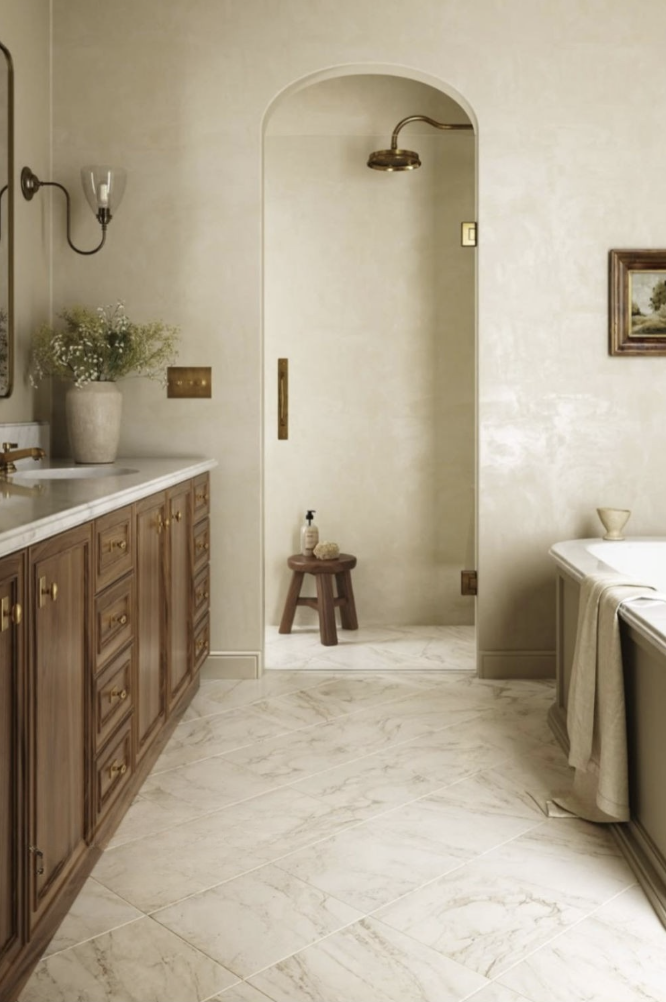
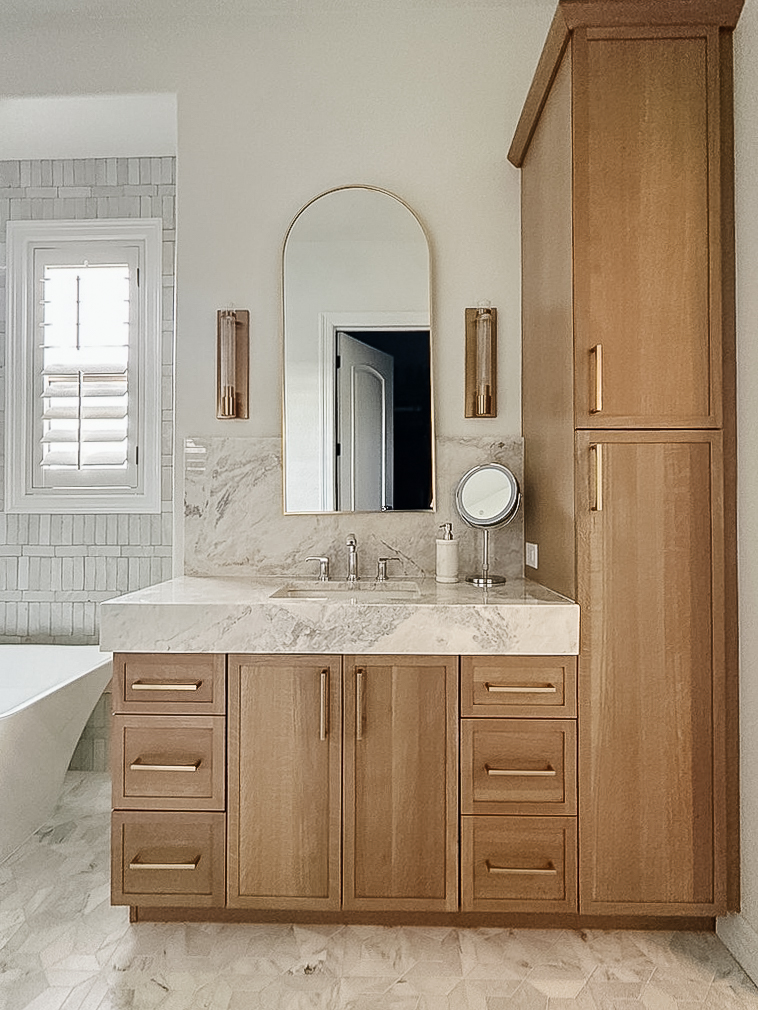
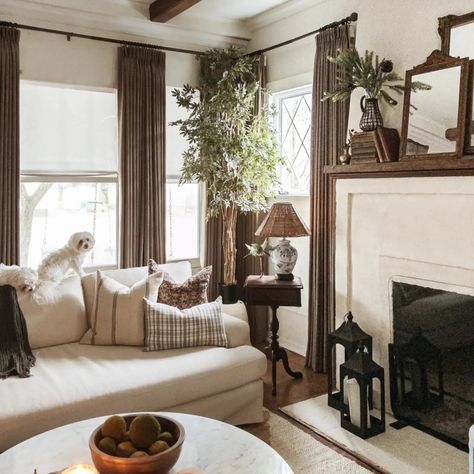
Photo credit from left to right: Bedrosians Tile, Katie Becker Design, TwoPages Curtains.
A Warm Neutral Home is all about Feeling
At the end of the day, warm neutral design isn’t about playing it safe, it’s about creating spaces that feel timeless and grounded.
It’s about walking into your home and feeling instantly calmer. It’s about choosing materials that age beautifully. It’s about building a foundation that can evolve with you over time, while still feeling intentional and elevated.
Because when done well, a warm neutral home doesn’t feel boring.
It feels like an exhale.
The KBD Takeaway
We believe the best interiors are the ones that feel as good as they look: layered, timeless, and designed for real life. Warm neutrals are more than a palette; they’re a feeling.


