
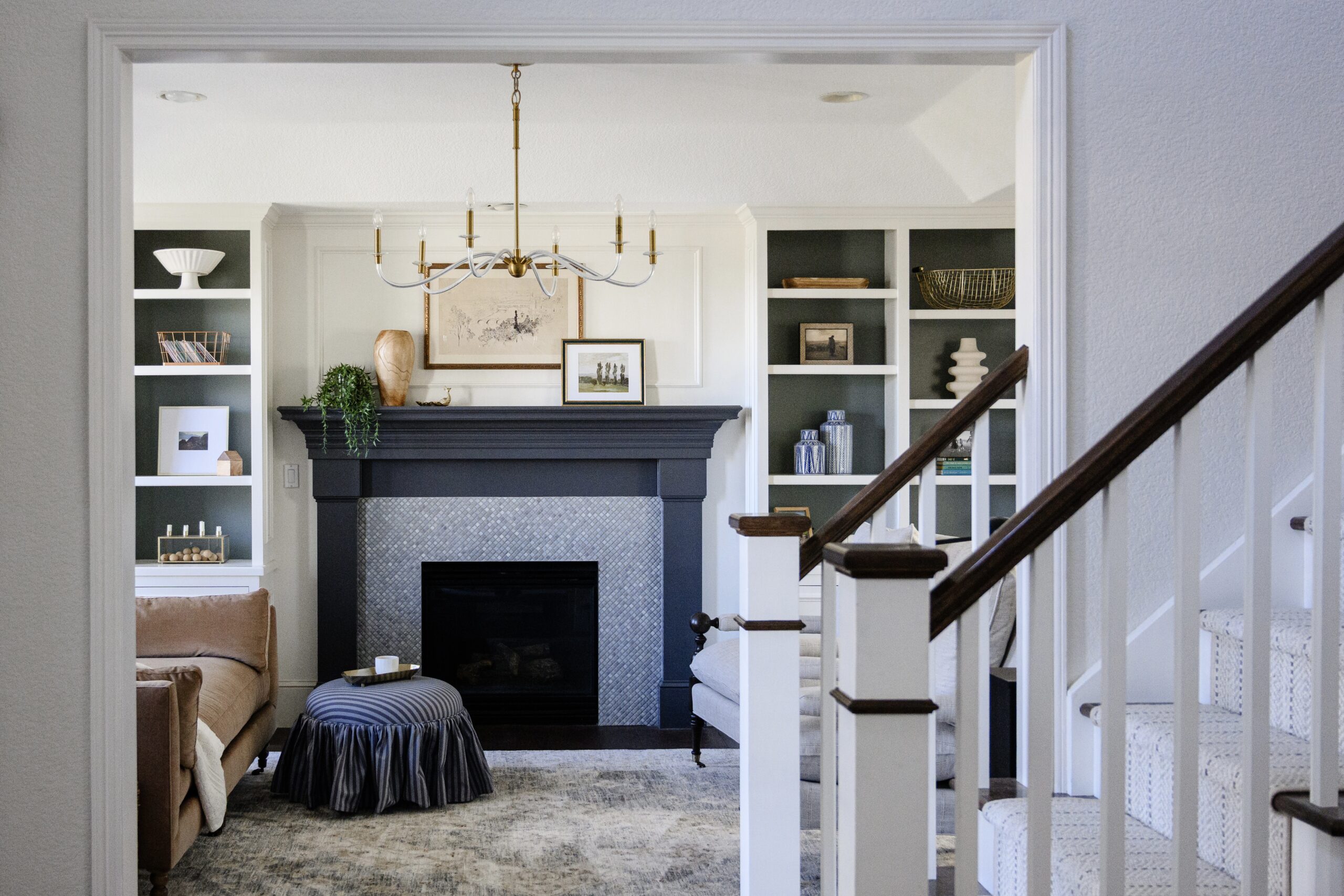
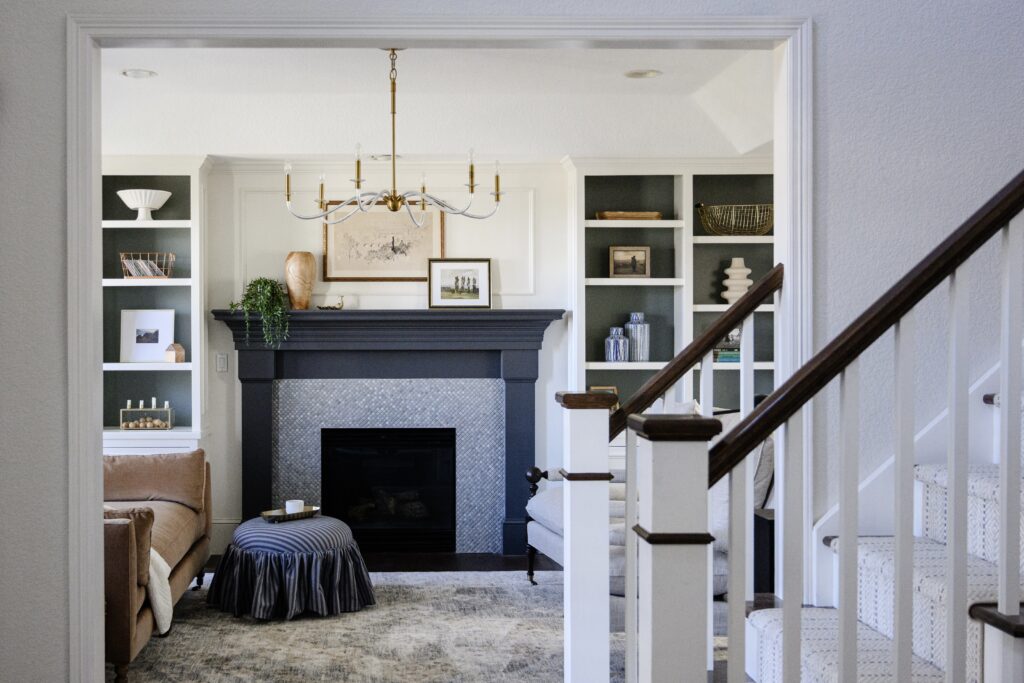
Lighting is one of the most important elements in a room—and one of our favorite ways to make a home feel more custom.
The right fixture can become a focal point, add warmth and character, or completely change the mood of a space. And while we love a beautiful statement light, good lighting isn’t just about choosing a pretty fixture. Scale, placement, finish, function, and the way you layer light throughout a room all matter.
So, we’re sharing some of the lighting brands we come back to again and again, including a few more approachable sources, plus our tips for choosing lighting for your own home.
Lighting Brands We Love
Visual Comfort
Price point: $$$–$$$$
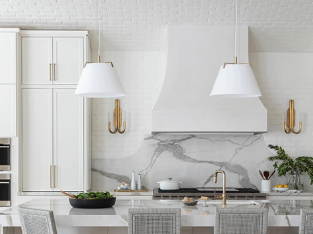
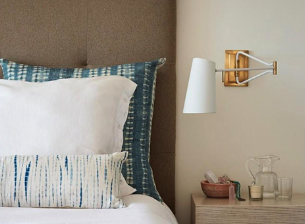
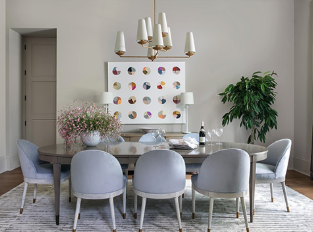
Visual Comfort is one of our go-to sources because of the sheer range of styles available. They also collaborate with some incredible designers, so there’s always a mix of timeless staples and more distinctive statement pieces.
If you’re willing to invest in lighting, this is a great place to start—especially for chandeliers, pendants and sconces that you want to become a focal point in the room.
Arteriors
Price point: $$$–$$$$
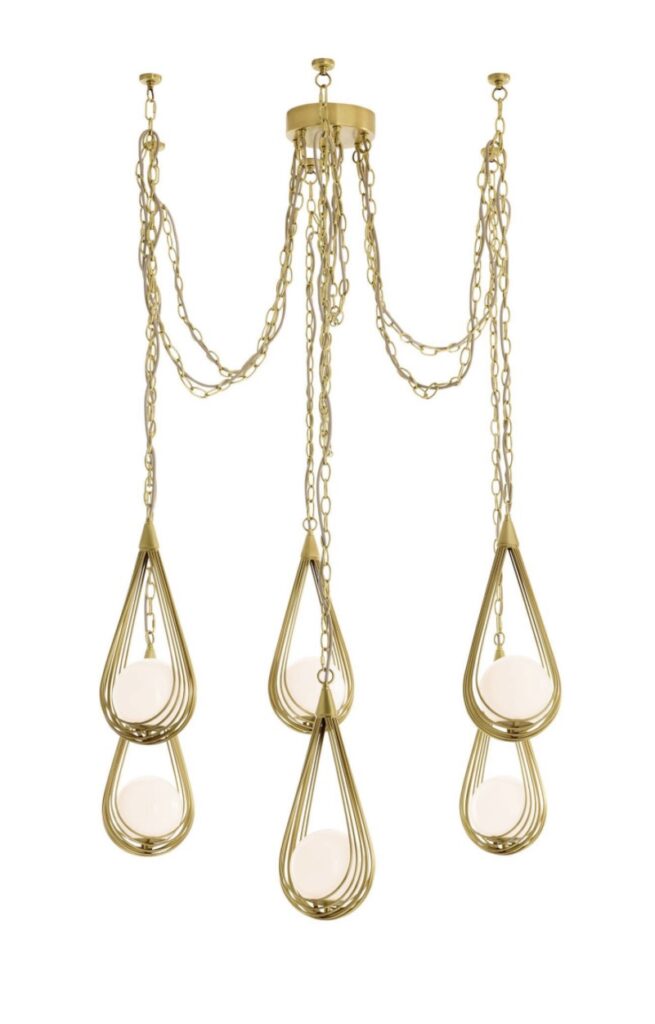
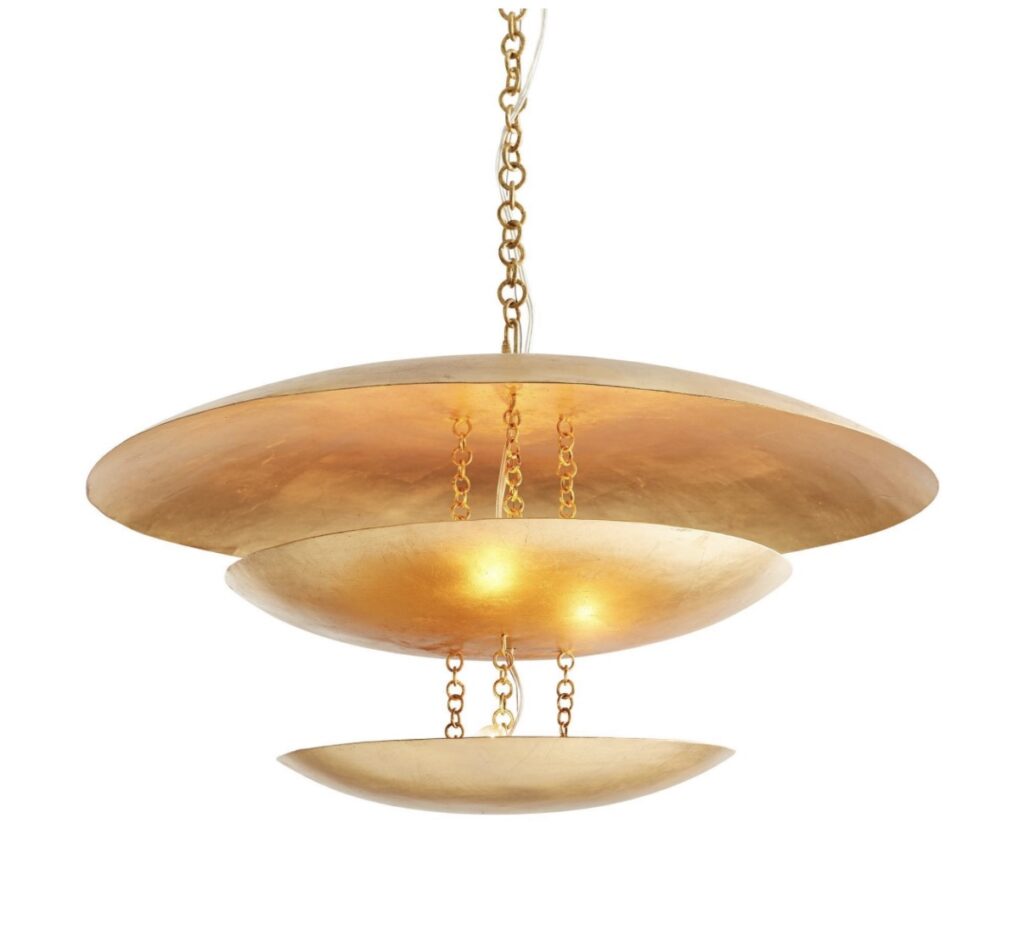
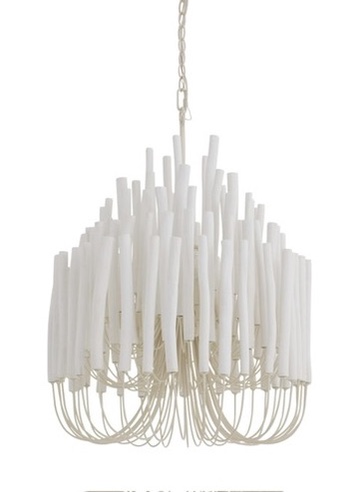
Arteriors is another designer favorite for lighting that feels a little more sculptural and unexpected. We especially love looking here when we want a fixture to feel like an intentional part of the design rather than simply a functional source of light.
Hudson Valley Lighting
Price point: $$$
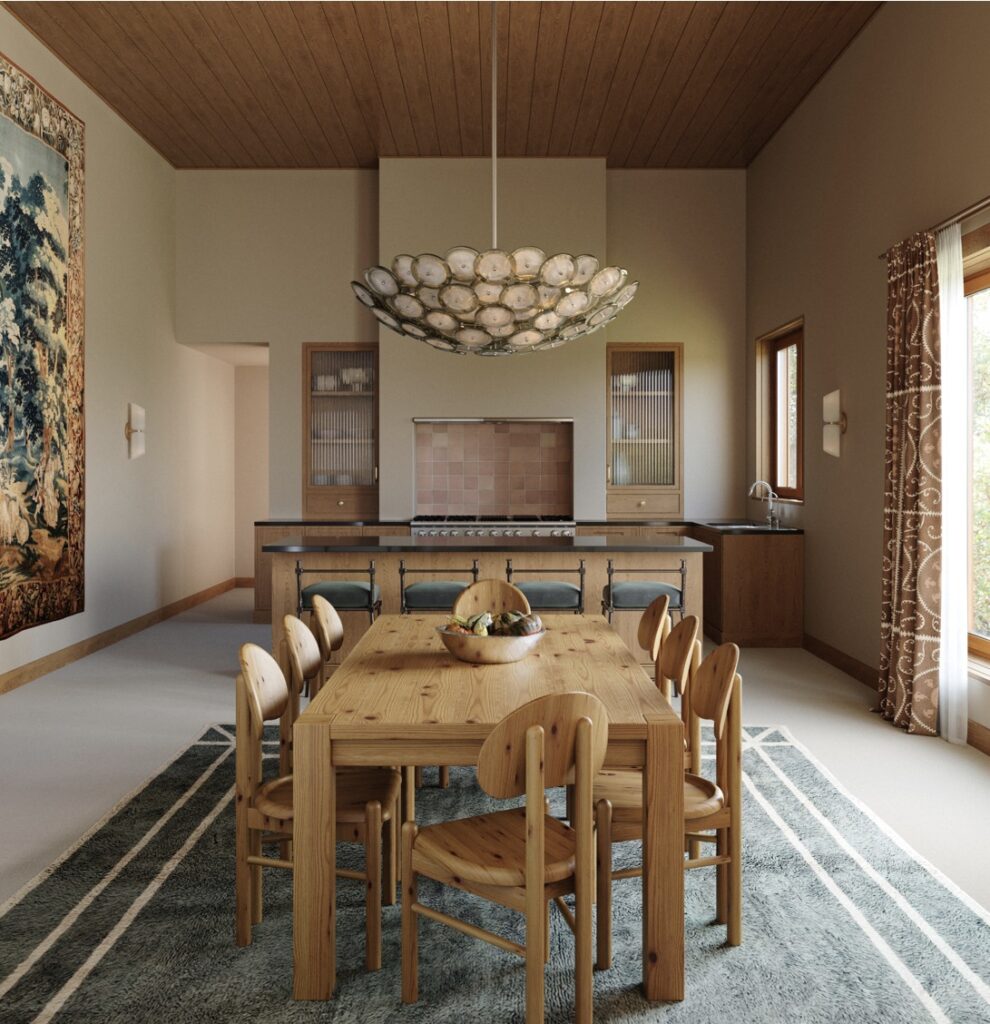
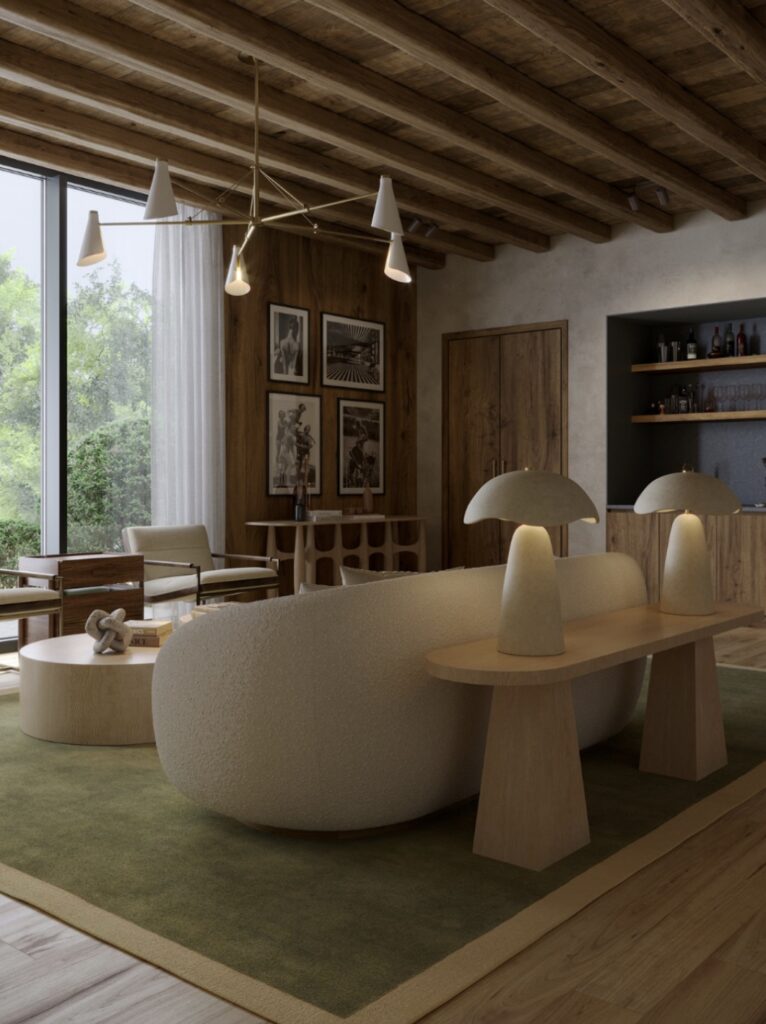
Hudson Valley Lighting is a great middle ground between classic and contemporary. Their fixtures tend to feel elevated without being overly trendy, which makes them easy to incorporate into a home that you want to love for years.
Schoolhouse
Price point: $$–$$$
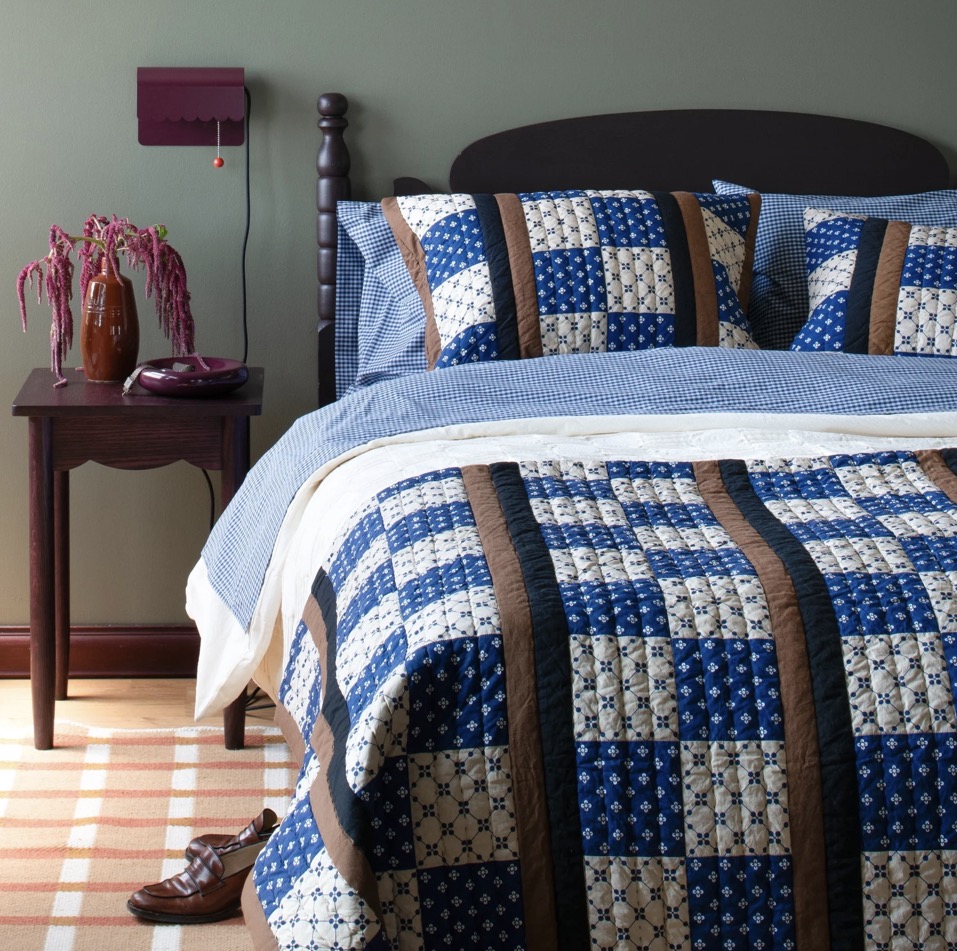
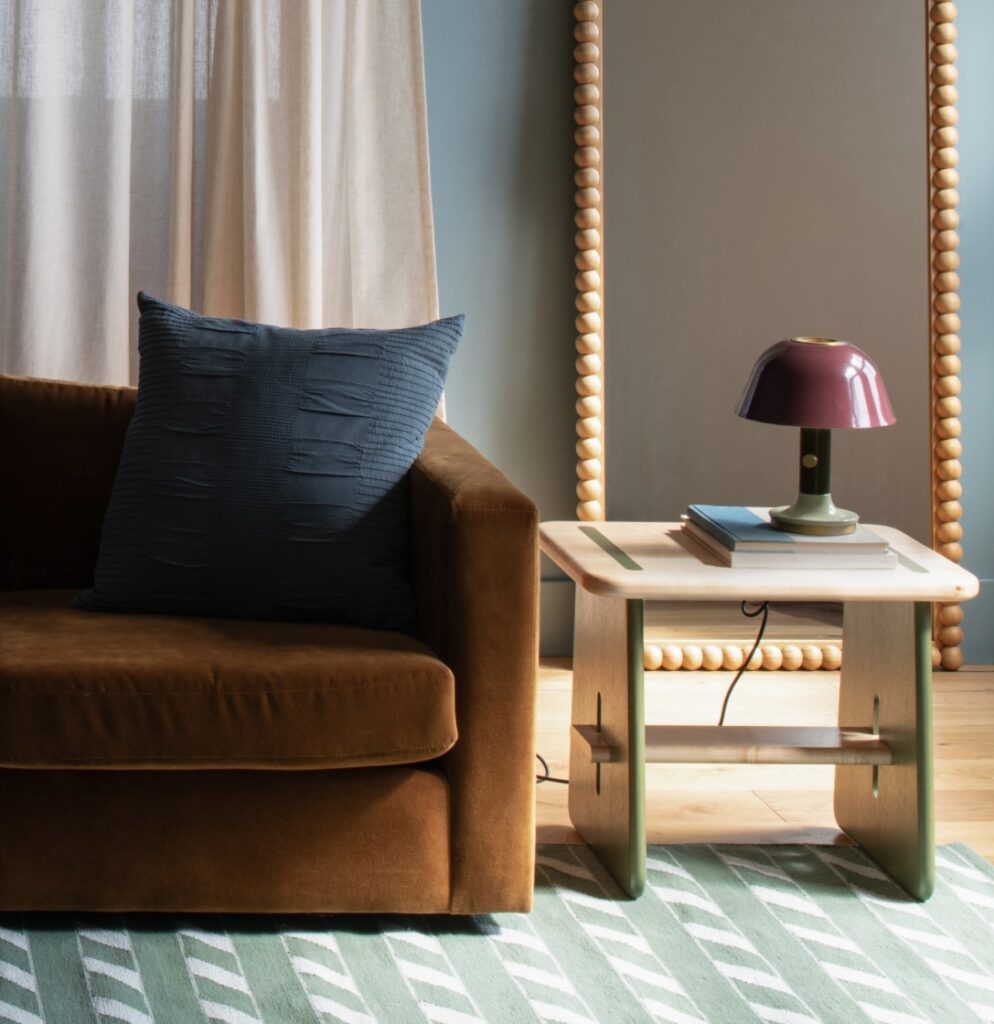
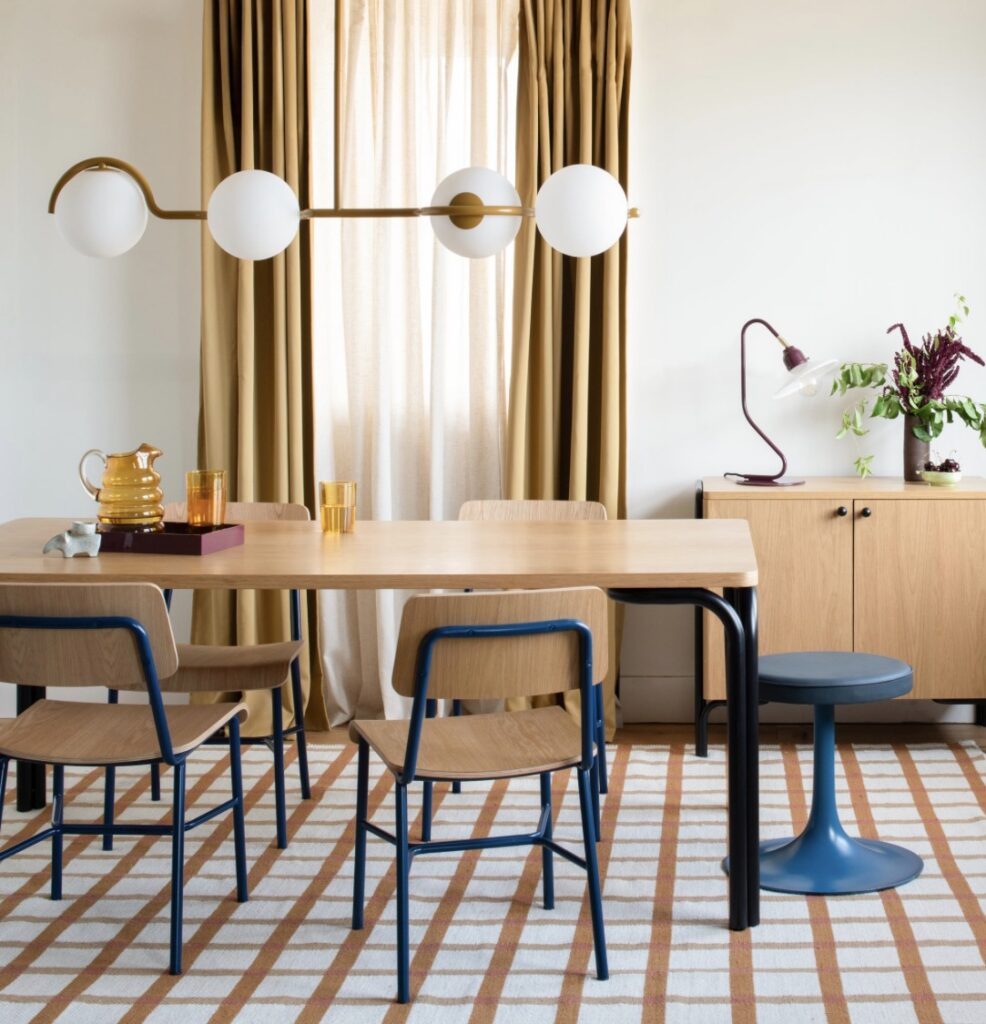
Schoolhouse is another great source for lighting with a warm, collected feel. Their fixtures have just enough nostalgia without making a space feel overly vintage, and they work beautifully in homes where you’re trying to create a layered, lived-in look.
Allied Maker
Price point: $$$$
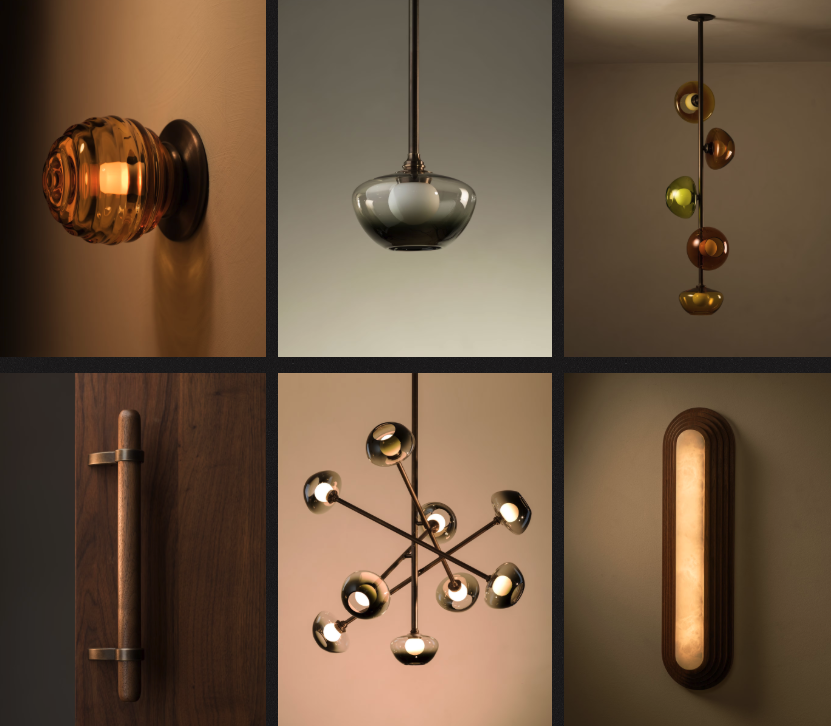
For something more artisanal, Allied Maker creates beautiful architectural lighting with an emphasis on materials and craftsmanship. Think warm metals, beautiful glass and fixtures that feel almost like functional pieces of art.
This is one of those sources we love when the lighting itself is meant to be a major design moment.
Rejuvenation
Price point: $$–$$$
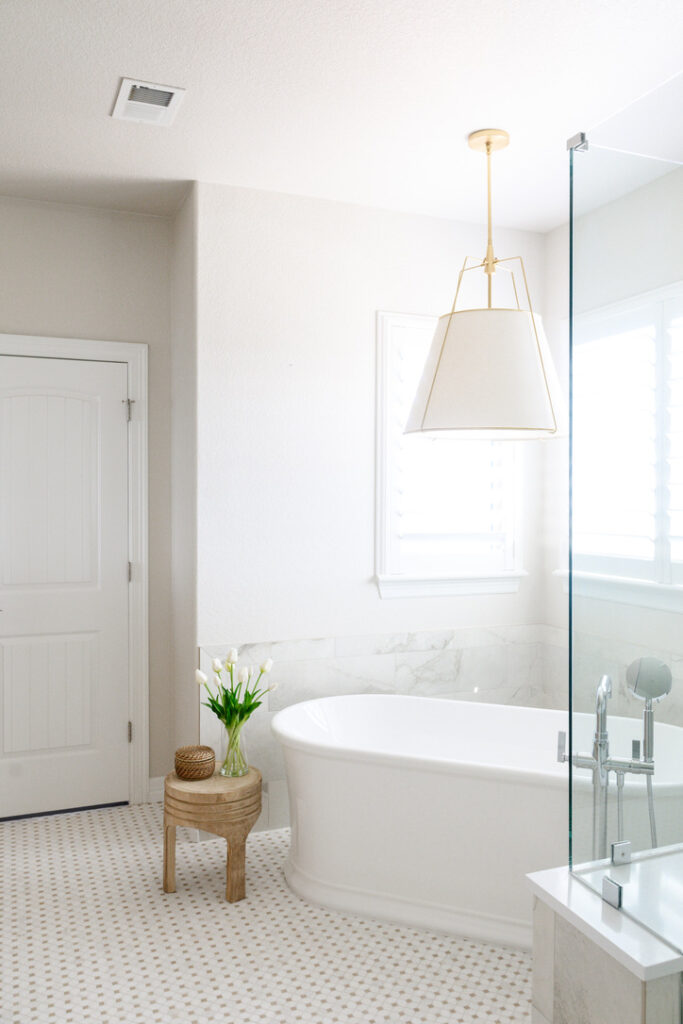
Rejuvenation is one of our favorite sources when we’re looking for something a little more approachable without sacrificing design.
They do classic and vintage-inspired lighting especially well, and we love them for spaces where you want something with character that still feels timeless.
Shades of Light
Price point: $–$$
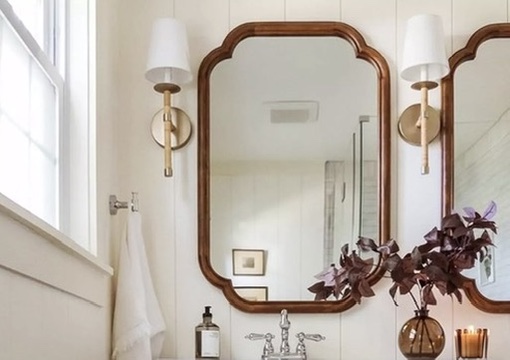
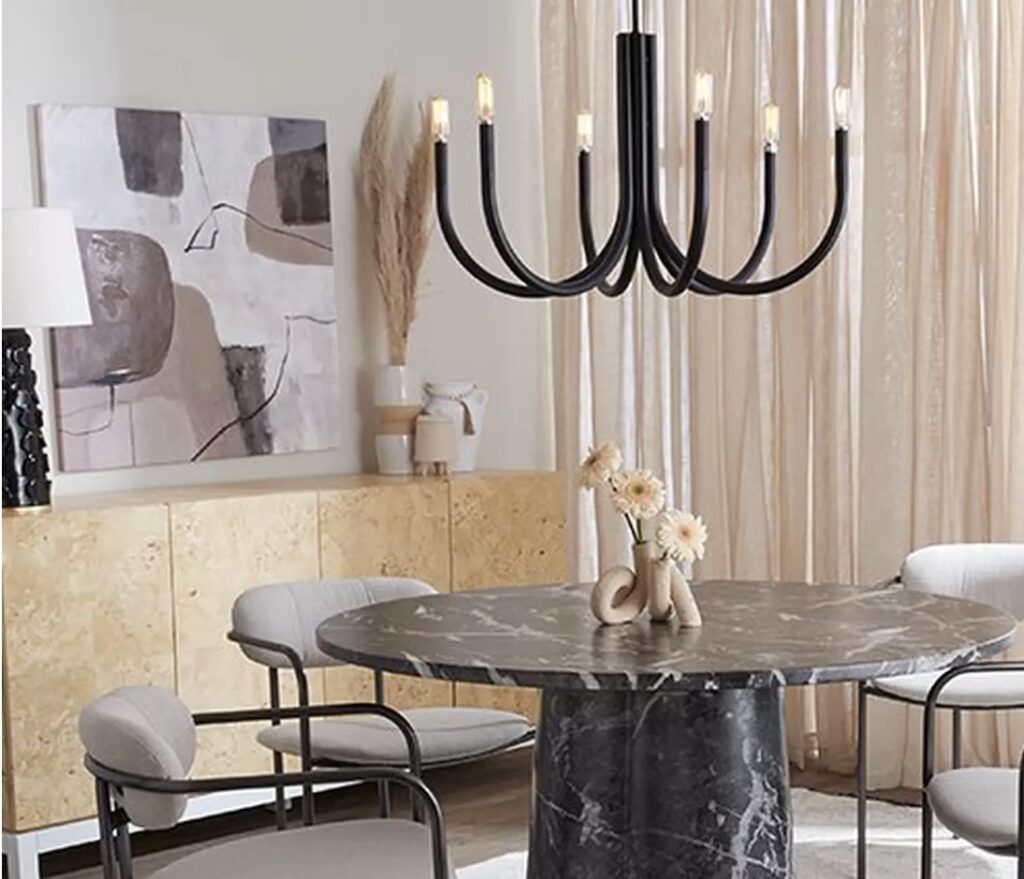
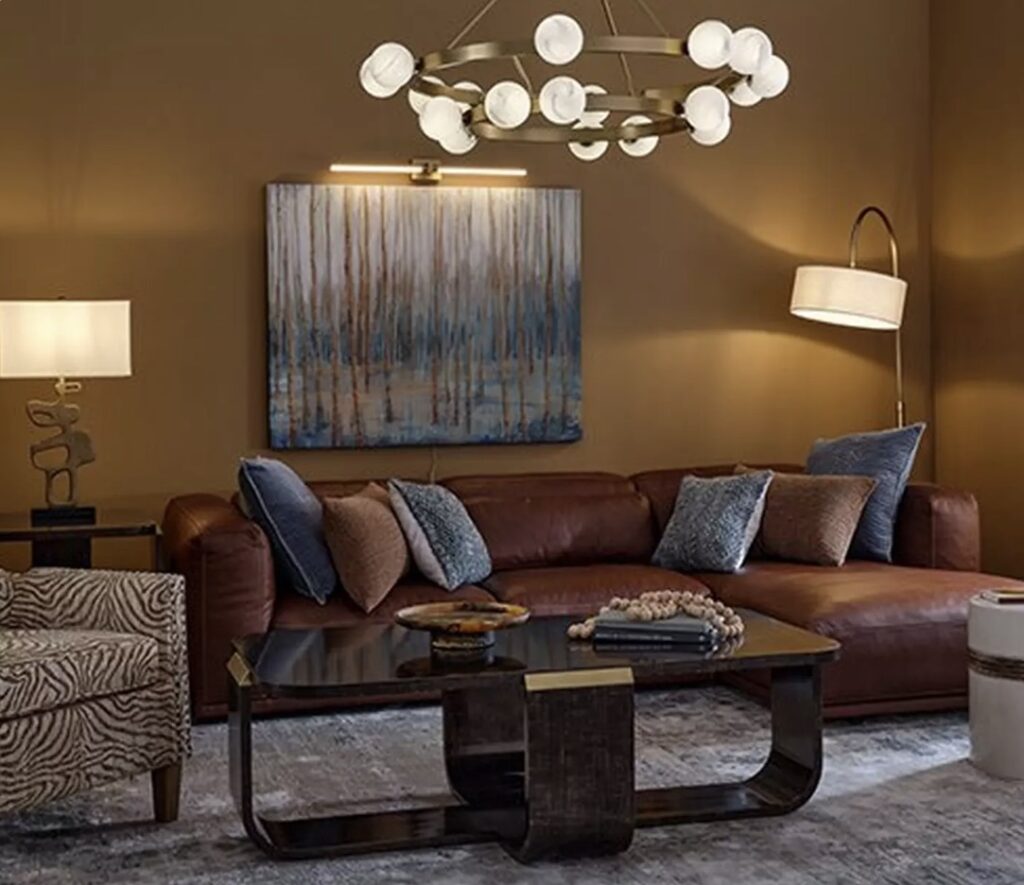
And if you’re looking for a more budget-friendly retail source, don’t overlook Shades of Light.
They carry a huge range of styles and price points, and there are some gems if you know what you’re looking for. This is a great place to browse when you want the impact of new lighting without allocating a large portion of your budget to a single fixture.
A Few More Lighting Sources to Know
Depending on the home, style and budget, there are plenty of other sources worth keeping on your radar, including Gantri, Lostine, Mitzi, Huey Light Shop, Lulu and Georgia, McGee & Co.
The important thing isn’t necessarily where a fixture comes from. It’s choosing the right piece for the room—and knowing where it makes sense to invest versus save.
Our Tips for Choosing Lighting for Your Home
1. Think about scale before anything else
One of the easiest ways for lighting to feel “off” is choosing a fixture that is too small.
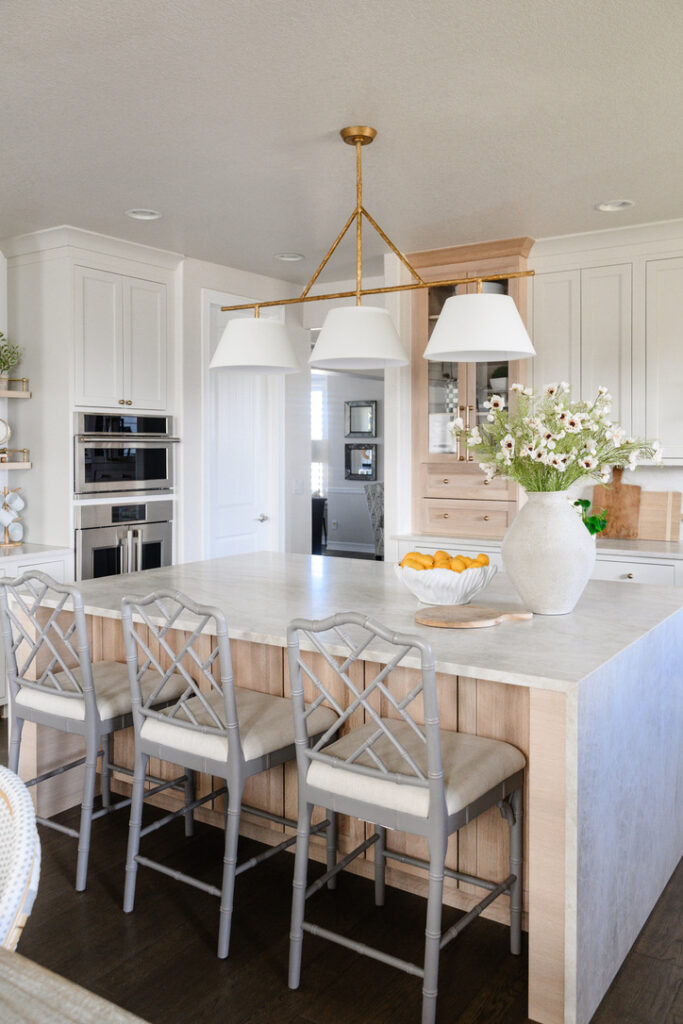
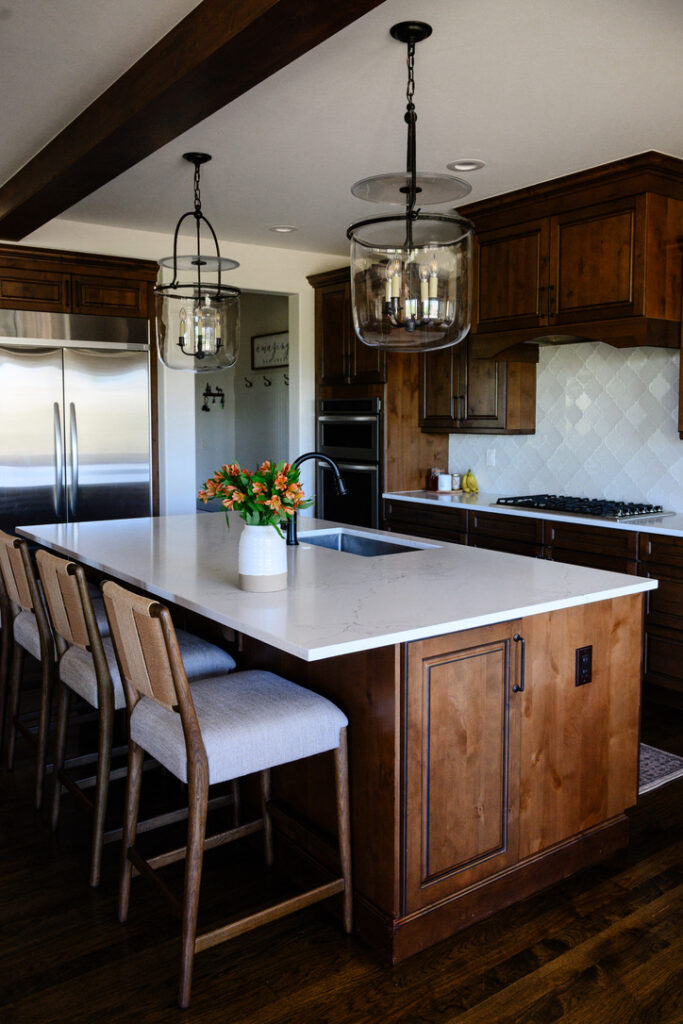
A larger fixture often makes a room feel more intentional and appropriately scaled, particularly over a dining table, kitchen island or in a large entry.
Before ordering, look at the fixture’s actual dimensions rather than relying on the product photo. We even like to tape out dimensions or use a similarly sized object in the room to visualize the scale.
2. Don’t rely on one source of light
A beautifully designed room rarely has one overhead fixture doing all the work.
We think about lighting in three layers:
Ambient lighting provides the overall light in a space—think chandeliers, pendants and overhead fixtures.
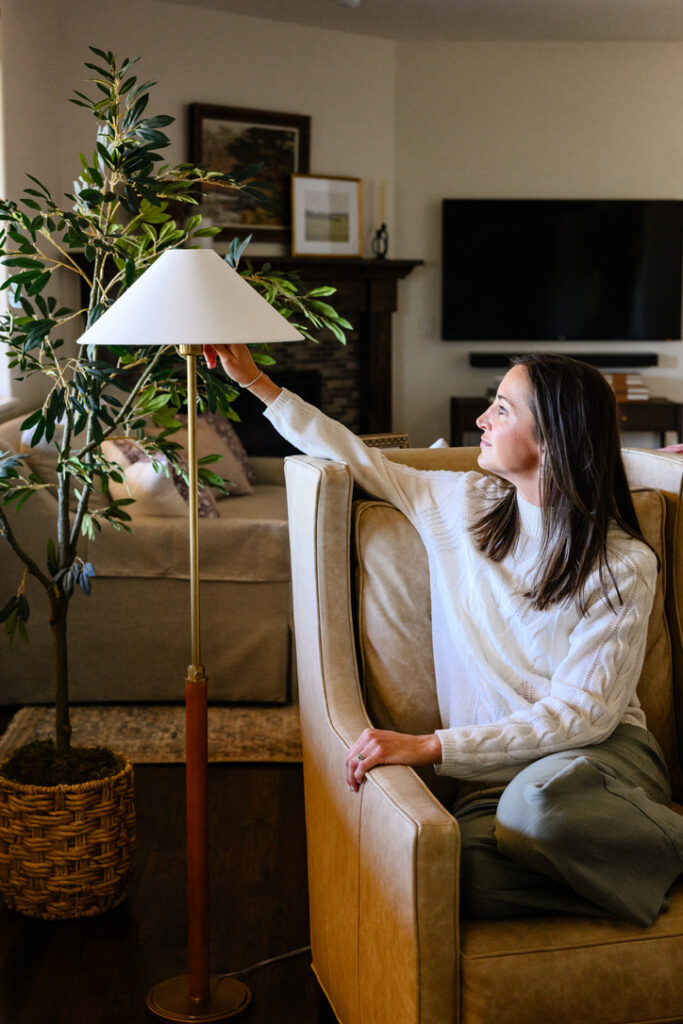
Task lighting gives you targeted, functional light—like a reading lamp or lighting at a kitchen work surface.
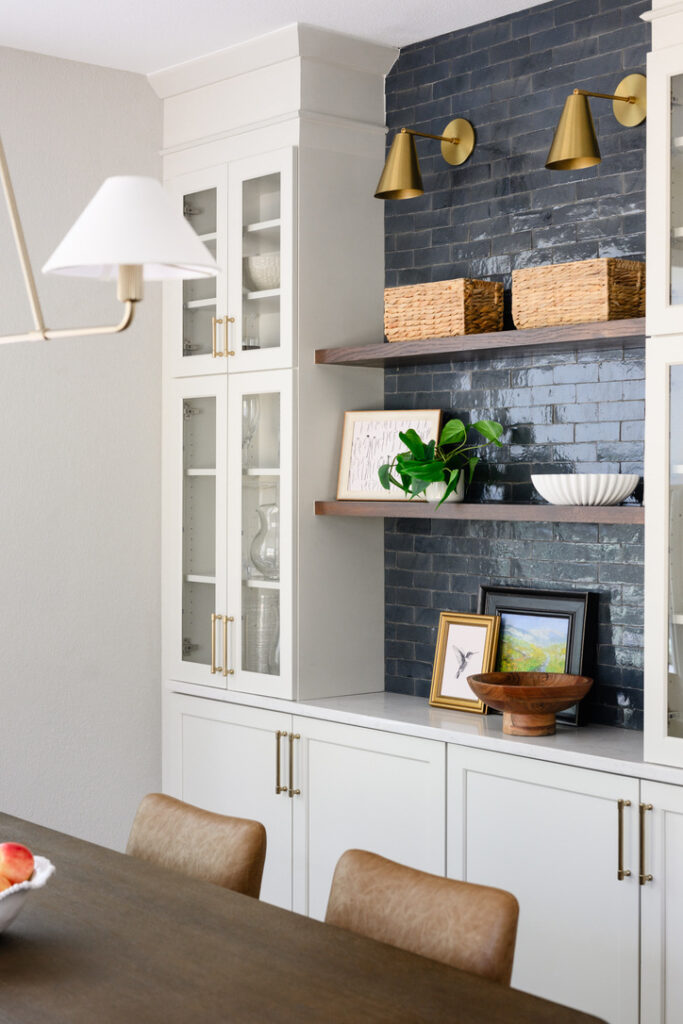
Accent lighting creates atmosphere and highlights particular areas—like a picture light over artwork or a small lamp tucked onto a console.
The combination is what makes a room feel warm and dimensional rather than flat.
3. Vary the height of your lighting
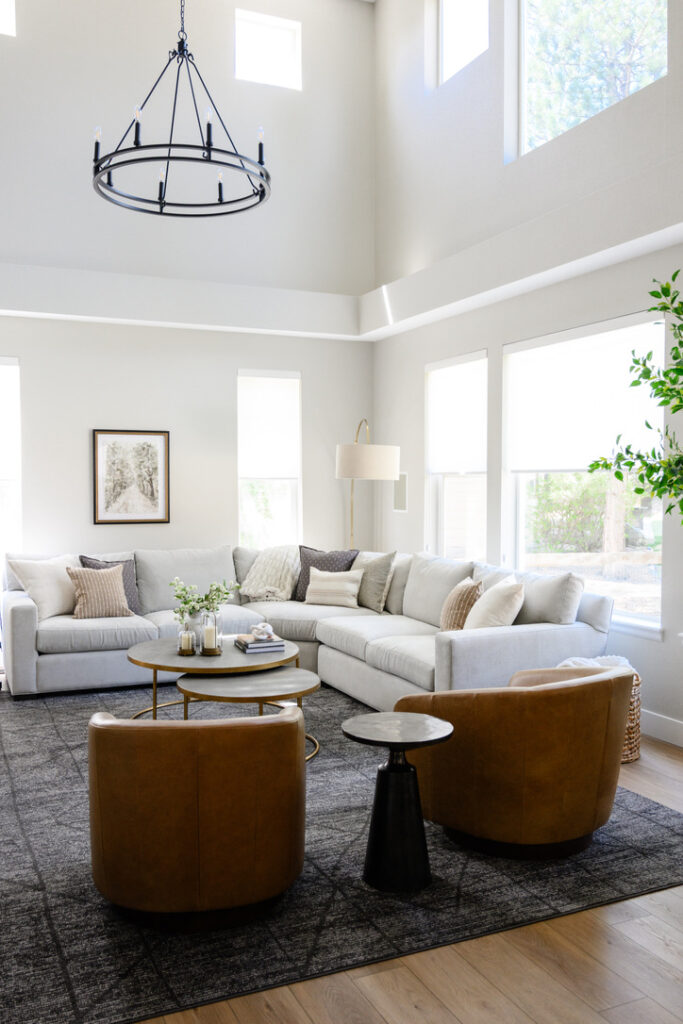
Just as you want different types of light, you also want light coming from different heights.
Think ceiling level, eye level and lower levels throughout the room. A chandelier paired with sconces and table or floor lamps creates much more depth than relying solely on recessed or overhead lighting.
4. Treat your lighting like part of the decor
A light fixture doesn’t have to disappear into the room.
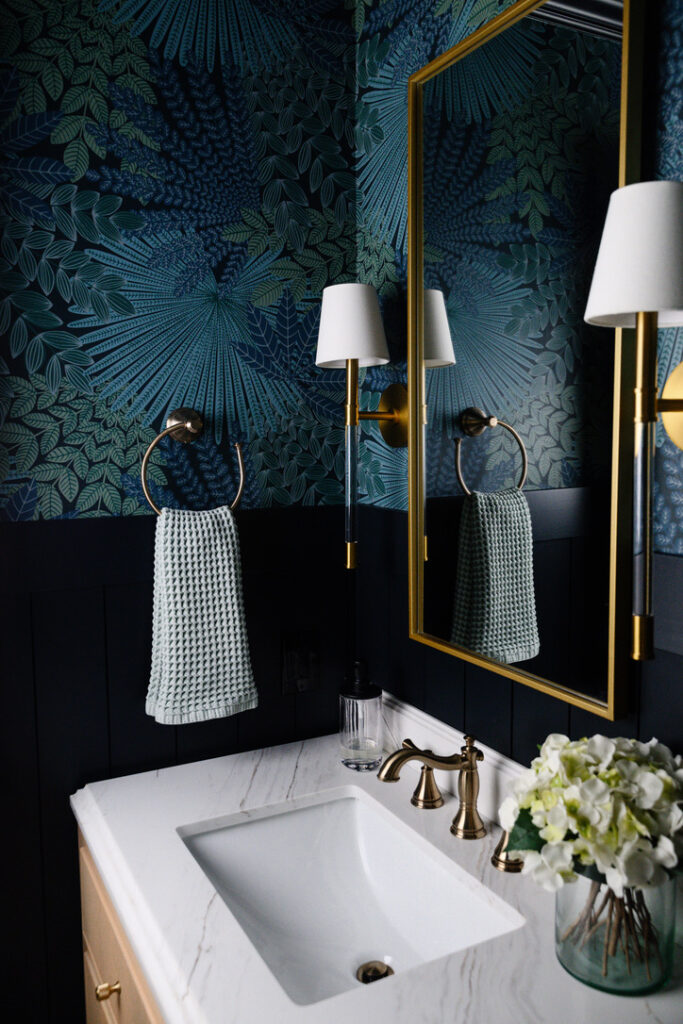
We often think of lighting almost like jewelry: it’s an opportunity to introduce an interesting shape, another material, a little contrast or a focal point.
Look at the other elements already in the room and ask what the space needs. Maybe it’s the warmth of an aged brass finish, the softness of a linen shade, or a sculptural fixture that breaks up a room full of straight lines.
5. You don’t have to match every finish
Your lighting doesn’t necessarily need to match your cabinet hardware, plumbing fixtures and door hardware.
In fact, mixing finishes can make a home feel more layered and collected. The key is making those choices feel intentional. Repeating a finish elsewhere in the room—even subtly—can help everything feel connected.
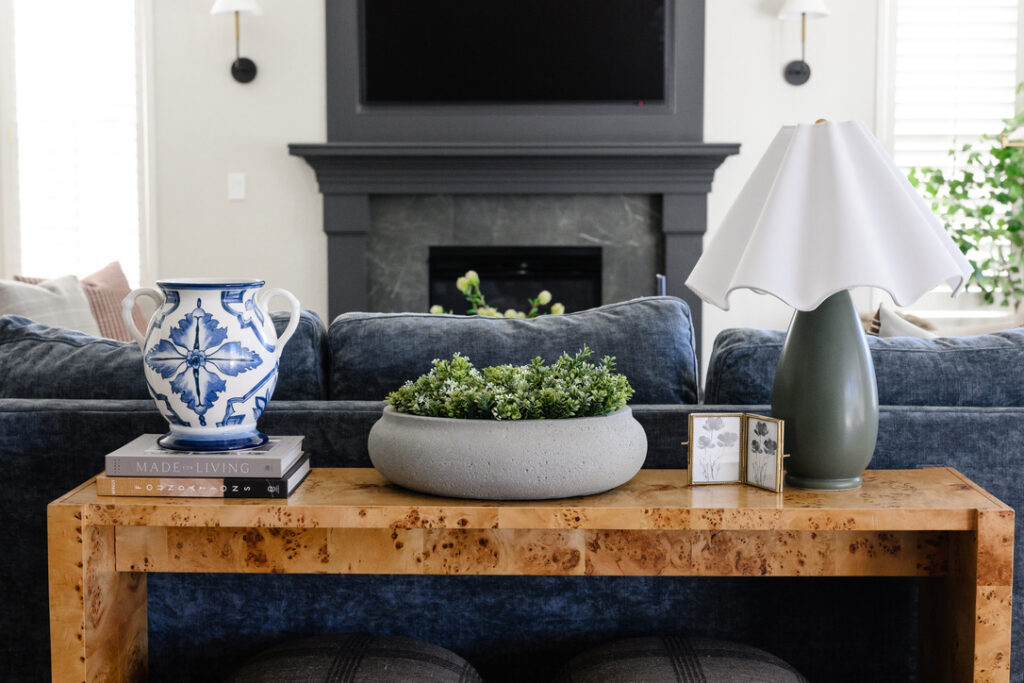
6. Know where to splurge and where to save
Not every fixture in your home needs to be an investment piece.
We tend to prioritize fixtures that have a significant visual impact: the dining room chandelier, kitchen pendants, a statement fixture in an entry or a beautiful pair of sconces.
Then look for opportunities to save in less prominent spaces or with simpler fixtures.
Mixing higher and lower price points throughout a home is one of the best ways to create a designer look without giving every fixture a designer price tag.
7. Pay attention to the light itself
The fixture is only half of the equation.
Bulb temperature, brightness and dimming all have a huge impact on how your home actually feels. We generally want residential lighting to feel warm and inviting rather than stark or overly cool.
And whenever possible: put it on a dimmer. Being able to adjust the lighting throughout the day is one of those small details that makes a major difference.
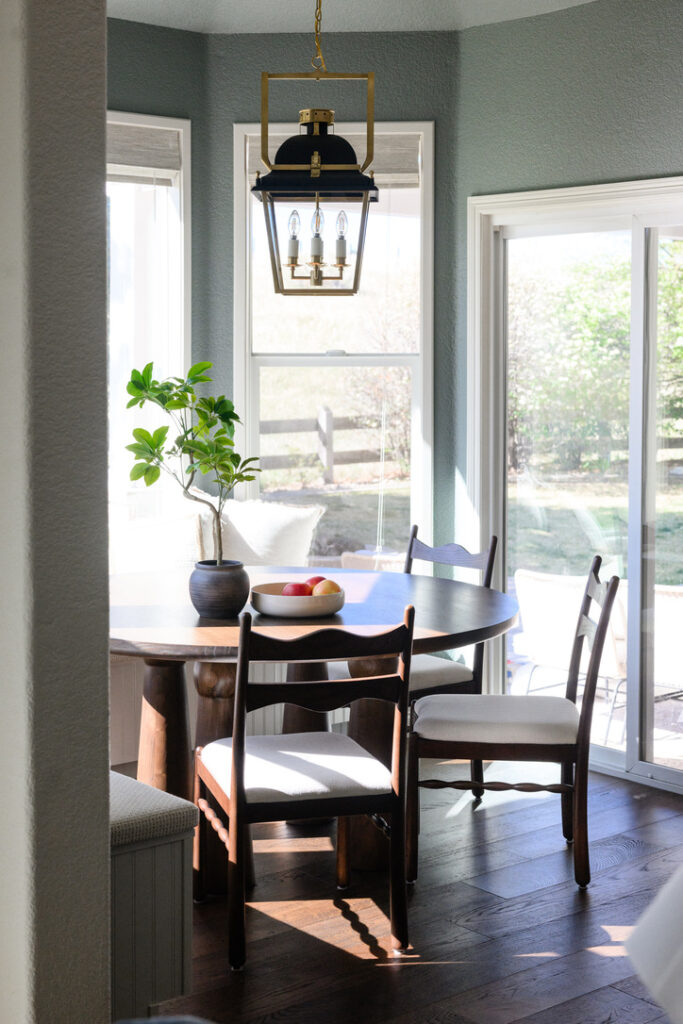
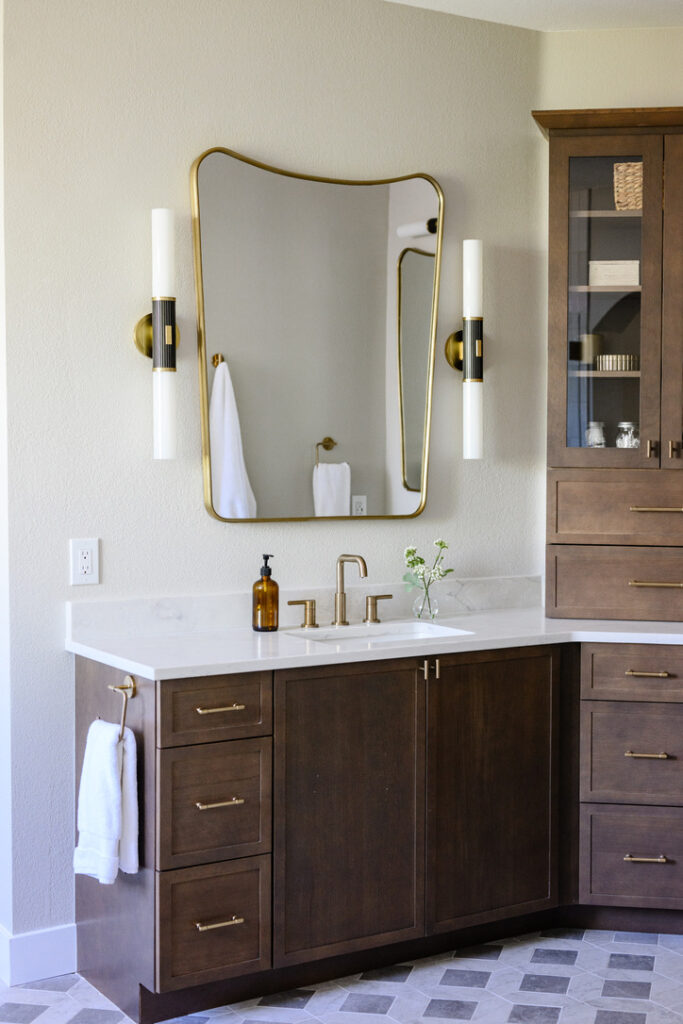
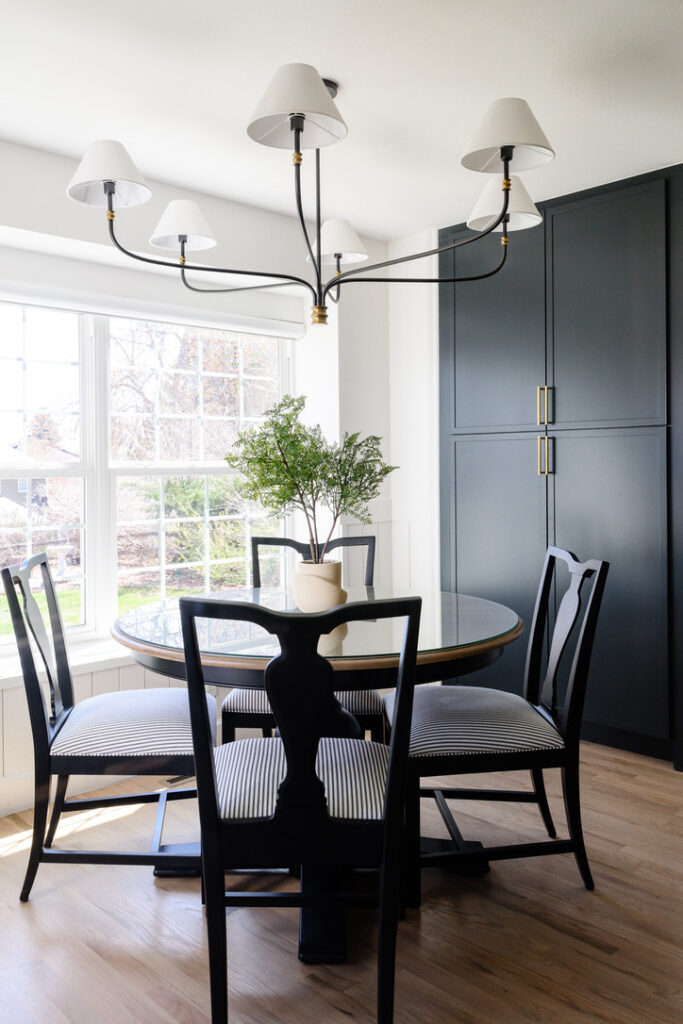
The Takeaway
Great lighting isn’t about filling your home with expensive fixtures. It’s about choosing lighting intentionally.
Think about scale. Layer different types and heights of light. Choose fixtures that contribute to the overall design. Invest where the lighting will have the most impact, and don’t be afraid to mix in more affordable finds elsewhere.
Because when lighting is done well, you don’t just notice the fixture—you notice how good the entire room feels.


